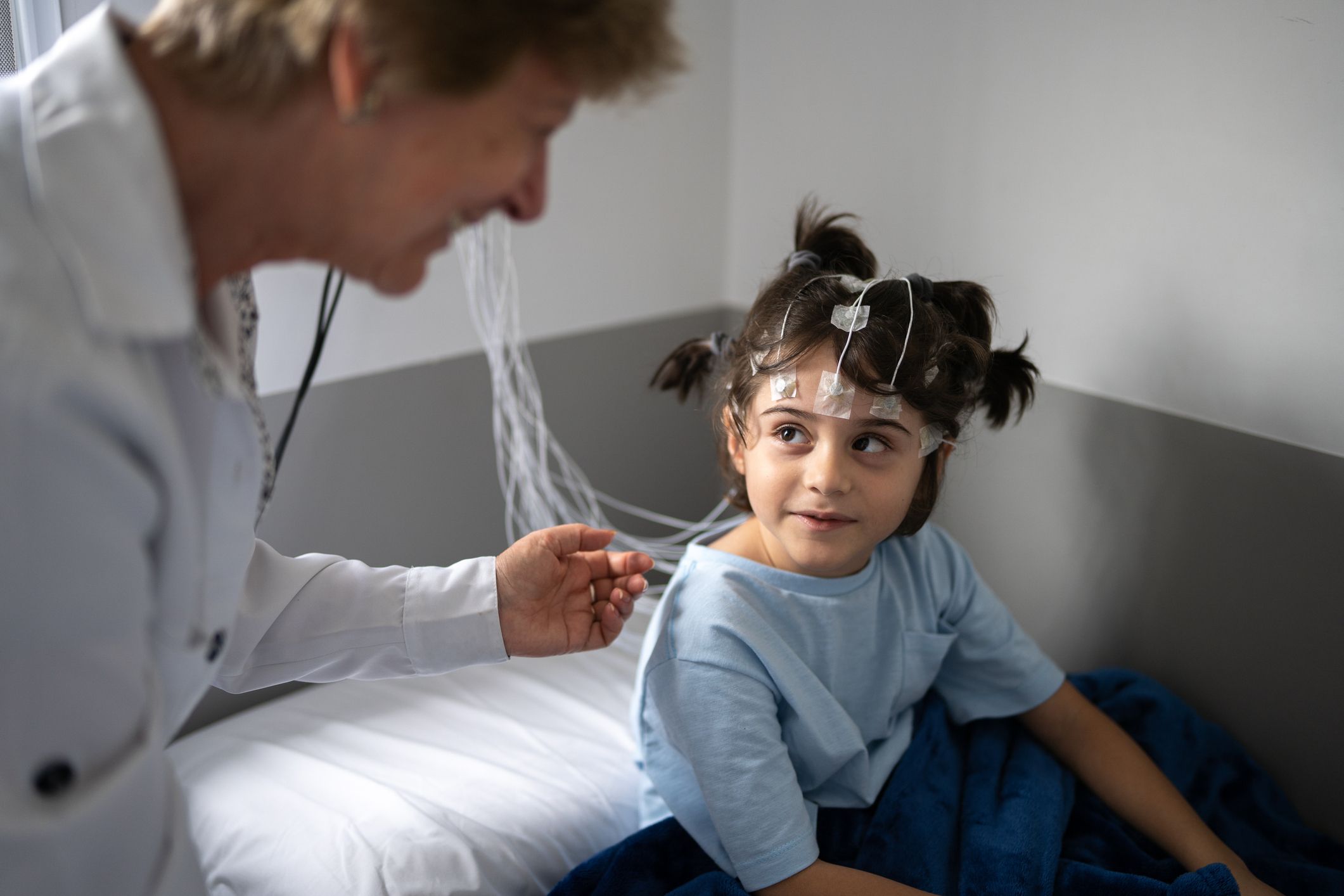

Inclusive representation of all ages in clinical trials is vital for advancing medical research. Discover why involving children and older adults in studies leads to safer, more effective treatments and how the industry is working to ensure that everyone – from the youngest patients to the eldest – is included in clinical research.
Looking for a clinical trial that fits your age and condition?
Explore studies that actively include children, adults, and older participants—and see if you or a loved one may qualify.
The Significance of Age Inclusivity in Research
In the world of medical research, clinical trials are the engine that drives new treatments and cures. Yet for decades, entire age groups were left sitting on the sidelines. Children make up roughly one-quarter of the U.S. population, but historically they were greatly underrepresented in clinical trials. Likewise, older adults – who consume a large share of medications – have often been excluded or under-enrolled, especially those over 75 years old. This lack of age inclusivity isn’t just a statistical quirk; it has real consequences. If trials don’t include infants, teenagers, or seniors, doctors are forced to extrapolate from adult data, essentially guessing how to treat these groups safely and effectively.
Today, there is growing recognition that every age group matters in research. Including pediatric and geriatric participants in trials isn’t only about fairness – it’s about better science, better medicine, and better outcomes for all. In this article, we’ll explore the challenges of recruiting children and older adults, why their participation is medically and ethically essential, the progress made through regulations and advocacy, and what’s being done to improve age diversity in clinical studies. By ensuring trials represent patients of all ages, researchers can develop treatments that truly work for everyone, not just the “average” adult.
Challenges in Recruiting Pediatric and Geriatric Participants
Recruiting participants for any clinical trial can be difficult, but enrolling children and older adults comes with unique hurdles. Understanding these challenges is the first step toward building more inclusive research.
Pediatric Trial Participation
Enrolling children in clinical trials is complex because children are not just “small adults.” Their physiology, disease patterns, and drug metabolism differ significantly, and research involving minors requires careful safeguards. Key challenges include:
- Parental consent and child protection: Children cannot provide full informed consent. Trials must secure permission from parents or guardians and assent from older children. Families are often hesitant to allow a child to receive an experimental treatment, even when the potential benefits are high.
- Ethical concerns: For decades, the tendency was to protect children from risk by excluding them from research altogether – sometimes called “protection by exclusion.” While well-intentioned, this left doctors without evidence on how to treat children safely. Today, Institutional Review Boards (IRBs) require that pediatric trials minimize risk and justify potential benefits, balancing protection with the need for knowledge.
- Small and specialized populations: Many pediatric conditions are rare, which makes finding enough eligible participants difficult. Between 2005 and 2010, only about 8% of all clinical trials were designed for patients under 18. Limited infrastructure and uncertainty about suitable pediatric endpoints further complicate trial design.
- Practical and psychological barriers: Frequent hospital visits, blood draws, and unfamiliar procedures can deter families. Parents may worry about side effects, disruptions to school, or long travel to specialized centers.
To succeed, pediatric trials must be designed with children and families in mind—using child-friendly protocols, specialized children’s hospitals, and practical support such as travel assistance or flexible scheduling. The payoff is enormous: high-quality data that improves treatment and safety for young patients.
Geriatric Trial Participation
At the other end of the spectrum, older adults (65+) also face barriers to participation, despite being the group most likely to use new therapies. Challenges include:
- Exclusion criteria and age cut-offs: Historically, many trials set arbitrary upper age limits or excluded people with multiple chronic conditions. This created results that didn’t reflect real-world patients. Today, international guidelines discourage such exclusions, urging inclusion of patients with comorbidities to improve applicability of trial findings. Still, the “oldest old” (75–80+) remain underrepresented.
- Health complexity: Older adults often have multiple conditions and take several medications. Strict eligibility criteria can disqualify them, yet excluding these patients prevents us from understanding how drugs work in real-world, complex cases.
- Logistical hurdles: Mobility issues, reliance on caregivers, or transportation difficulties make frequent trial visits challenging. Cognitive conditions like mild dementia can complicate consent and adherence to study protocols.
- Attitudes and perceptions: Some doctors hesitate to recommend trials to seniors, fearing poor tolerance. Patients themselves may see trials as “for younger people” or worry about being treated as “guinea pigs.” These misconceptions can discourage enrollment.
The solution isn’t exclusion, but adaptation. Trials can be made more senior-friendly by using home health visits, simplifying procedures, or adopting decentralized trial models (telemedicine check-ins, local labs). These approaches reduce burden and ensure that trial data reflects how treatments work in the patients most likely to use them.
Why Including Children and Older Adults Is Essential
Including pediatric and geriatric populations isn’t optional—it’s core to good science, better care, and ethical practice.
Scientific accuracy and real-world relevance
Drugs don’t act the same across ages. What’s safe or effective for a 30-year-old may behave very differently in a toddler or a frail 80-year-old due to age-related changes in absorption, distribution, metabolism, elimination, and sensitivity. If trials skew young, clinicians are forced to guess about dosing and safety for kids and seniors. Historically, pediatric care was often based on extrapolation because basic data on correct dose, formulation, and use were missing. Age-inclusive trials generate accurate dosing, uncover age-specific adverse events, and make findings truly generalizable.
Medical need and public health impact
Many conditions primarily affect children (e.g., certain genetic disorders) or older adults (e.g., Alzheimer’s). Even common illnesses (flu, diabetes) can present different risks and responses by age. When trials include all ages, prescribers get the evidence they need—like the right dose for a 5-year-old or clear safety data for an octogenarian—so treatment is both safer and more effective.
Ethical fairness and trust
Excluding children and older adults from research but treating them with the resulting therapies is unfair—and potentially unsafe. Inclusion upholds justice by sharing research benefits and burdens equitably. It also builds trust: families and seniors are more confident using new medicines when people like them were part of the testing.
Mandates and modern standards
Guidelines now expect inclusion across the lifespan when a therapy will be used by those age groups. Omitting relevant ages can delay approvals or limit labeling. In practice, age inclusivity is no longer a “nice to have”—it’s standard good clinical practice.
Bottom line: When trials exclude kids or seniors, we lose scientific clarity, clinicians lose guidance, and patients lose optimal care. When they’re included, research yields precise, age-appropriate dosing and safety insights—and proves that medicine is truly for everyone.
Rules and Guidelines for Including All Ages in Clinical Trials
For a long time, children and older adults were often left out of medical studies. Today, that is changing. Governments and health organizations have made rules to make sure research better reflects the patients who will actually use new medicines.
For Children
In the past, most medicines were only tested in adults. Doctors had to guess the right dose for kids, which wasn’t always safe. To fix this, new U.S. laws in the 2000s began requiring drug companies to study medicines in children too. These laws also reward companies with extra patent time if they include children in their research.
In Europe, similar rules started in 2007. Drug makers there must now have a Pediatric Investigation Plan (a roadmap for how they’ll test medicines in kids). Thanks to this, the number of medicines tested and approved for children has increased, giving doctors much clearer guidance.
For Older Adults
Older patients often use the most medicines, but for years they were routinely excluded from trials. Some studies even had age cut-offs, like “no one over 65.” That meant doctors had little data on how safe or effective a drug really was for seniors.
To improve this, the FDA and international groups issued rules urging companies to include older patients, and not just stop at age 65 or 70. In 2022, the FDA went further, asking cancer trials to include enough patients over 75, since those cancers are most common in older people.
For Everyone, All Ages
In 2019, the U.S. National Institutes of Health (NIH) made it a rule that all federally funded studies must include people of all ages, unless there’s a very good reason not to (for example, you wouldn’t include children in an Alzheimer’s trial). This makes sure that new treatments are tested in the people who will actually use them.

Clinical trials are stronger when everyone is represented. Learn how inclusive research helps protect patients and advance better treatments for all.
Benefits of Age-Inclusive Clinical Trials
When children and older adults are included in clinical trials, the benefits are felt by everyone: patients, doctors, researchers, and the healthcare system.
Safer and More Effective Treatments
Trials with all age groups give direct evidence on how a treatment works for each population. For children, this means finding the right dose instead of guessing from adult data. For older adults, it may reveal unique side effects—like dizziness in patients over 75—so doctors can adjust doses or take extra precautions.
Stronger Science
Including people of all ages makes research more accurate. It shows how drugs are absorbed, processed, and eliminated differently across life stages. It also reveals drug interactions that matter for seniors who often take multiple medications. With a wider age range, researchers can spot patterns they might miss in younger-only studies.
Fairness and Trust
Age-inclusive trials send a powerful message: research is for everyone. Ethically, this means no group is left out of the chance to benefit. For patients, it builds trust—parents feel reassured when kids are represented, and seniors are more confident knowing new drugs were tested in people their age.
Faster Access to Treatments
If a new therapy is tested in children early, it can be approved for pediatric use sooner, instead of years later. The same is true for older adults—data showing a drug is safe and effective for them can speed up insurance coverage and clinical use.
Lower Costs and Fewer Risks
When treatments haven’t been studied in kids or seniors, doctors often rely on trial and error, which can mean extra hospital stays, lab tests, or safety checks. Inclusive trials give doctors a clear roadmap—for example, knowing an older patient should start at half the dose, or that a child only needs a test every few months. This reduces unnecessary costs and prevents avoidable complications.
Ongoing Efforts, Advocacy, and Future Directions
The movement toward more age-inclusive trials is stronger than ever. Regulators, researchers, advocacy groups, and patient communities are all working together to make sure children and older adults are included in medical studies. Here’s what’s happening now—and what the future may hold.
Policy Enforcement and Accountability
Issuing guidelines is one step, but enforcing them is key. Today, agencies like the FDA often require an inclusion plan in trial proposals, detailing how different ages will be enrolled. If an age group is left out, companies must justify why. The NIH’s Inclusion Across the Lifespan policy also requires researchers to report the ages of participants and explain any exclusions. In the future, expect even stricter enforcement. In some cases, companies may need to run additional post-approval studies in underrepresented groups before a drug gets its full labeling.
Research Networks for Kids and Seniors
Some groups face unique challenges that require collaboration.
- Children: Networks like the Children’s Oncology Group bring together hospitals worldwide to pool resources and patients, since rare pediatric conditions often can’t be studied at a single site. These networks also create kid-friendly protocols and support services for families.
- Seniors: New geriatric research collaboratives are emerging. Some trials partner with nursing homes or geriatric specialists to reach older patients who otherwise might never be invited into research.
Smarter Trial Designs
Clinical trials are becoming more flexible and patient-centered.
- Adaptive trials can adjust doses or add special cohorts (e.g., an “elderly group”) within the same study.
- Data-sharing methods allow scientists to combine adult and pediatric findings, reducing the number of children needed while still getting reliable results.
- Decentralized trials (DCTs): Telemedicine, mobile labs, and at-home monitoring make it easier for kids and seniors to take part without constant travel. Wearable devices, apps, and home nursing visits bring research directly to participants.
Advocacy and Education
Patient groups play a big role in driving change.
- Parents of children with rare diseases have pushed for more pediatric trials and helped design studies that matter to families (like tracking growth or school attendance).
- Senior-focused organizations such as AARP and the Alzheimer’s Association raise awareness about the need for geriatric inclusion.
- Education is also expanding to healthcare providers—doctors who understand the importance of inclusion are more likely to refer their patients, young or old, to trials.
Global Collaboration
Because pediatric and geriatric populations can be small or spread out, many trials now recruit across countries. Regulators like the FDA and EMA regularly coordinate trial requirements through initiatives such as the Pediatric Cluster, helping avoid duplicate studies and making sure results can be used worldwide.
Ethics and Safeguards
As more children and older adults take part in studies, ethical protections are continually refined. Examples include:
- Clearer assent processes for children, so they understand and agree as much as possible.
- Stronger consent tools for older adults with memory challenges, such as using advocates or multimedia aids. The goal is to protect participants’ rights and safety while still generating critical knowledge.
Measuring Progress
Transparency is key. The FDA now publishes annual summaries of trial demographics, including age breakdowns. Journals also encourage authors to share participant age data. By tracking who is being enrolled, researchers can identify gaps—such as very elderly patients still being underrepresented—and target those areas with new initiatives.
Summary
Pediatric and geriatric representation in clinical trials is essential for truly evidence-based medicine. Children and older adults have unique medical needs and responses, and excluding them from research not only compromises scientific validity but also does a disservice to those populations. Thankfully, the importance of inclusivity across the lifespan has gained broad acceptance. We’ve explored how historical gaps – like the very small number of pediatric trials and the routine exclusion of seniors – are being addressed through stronger regulations, innovative trial designs, and collaborative efforts. Including these age groups improves the quality of clinical trial data (leading to proper dosing, safety, and efficacy information for all ages) and upholds the ethics of equitable research.
In practical terms, when trials welcome kids and seniors, everyone benefits: patients get treatments tailored to them, doctors get clearer guidance, and new therapies can be used with confidence across the whole population. Challenges remain – from logistical hurdles to ongoing ethical considerations – but numerous initiatives are tackling these issues head on. The trend is toward greater inclusivity, smarter trial planning, and breaking down barriers that once kept the youngest and oldest patients out of studies.
As clinical trials continue to evolve, one thing is clear: medical research is for everyone. By representing the full spectrum of age in our quest for cures, we ensure that the advances in medicine truly serve all humanity, from the cradle to the golden years.
FAQs
Is it safe and ethical to include children in clinical trials?
Yes—when strict safeguards are in place. Pediatric trials must be reviewed by ethics committees, show a favorable risk-benefit balance, and require parental permission plus the child’s assent when possible. Extra monitoring and child-friendly protocols are used. Without pediatric studies, doctors would lack safe dosing and treatment data for kids.
Why do some trials still include so few older adults?
Many seniors are excluded by strict eligibility rules (e.g., multiple illnesses or medications), lack of referrals, or practical barriers like transportation. Some older patients decline due to concerns about side effects or burden. Ageism also played a role in the past. Today, regulators and researchers are pushing for senior-friendly trial designs and intentional recruitment, so representation is improving.
Why not just use adult trial data for children or seniors?
Because kids and seniors process drugs differently. Children’s organs are still developing, and doses can’t simply be scaled down. Older adults often metabolize drugs more slowly, take other medications, and face unique risks like falls or memory issues. Separate studies give accurate dosing, safety, and benefit data for each age group—something adult-only trials can’t provide.