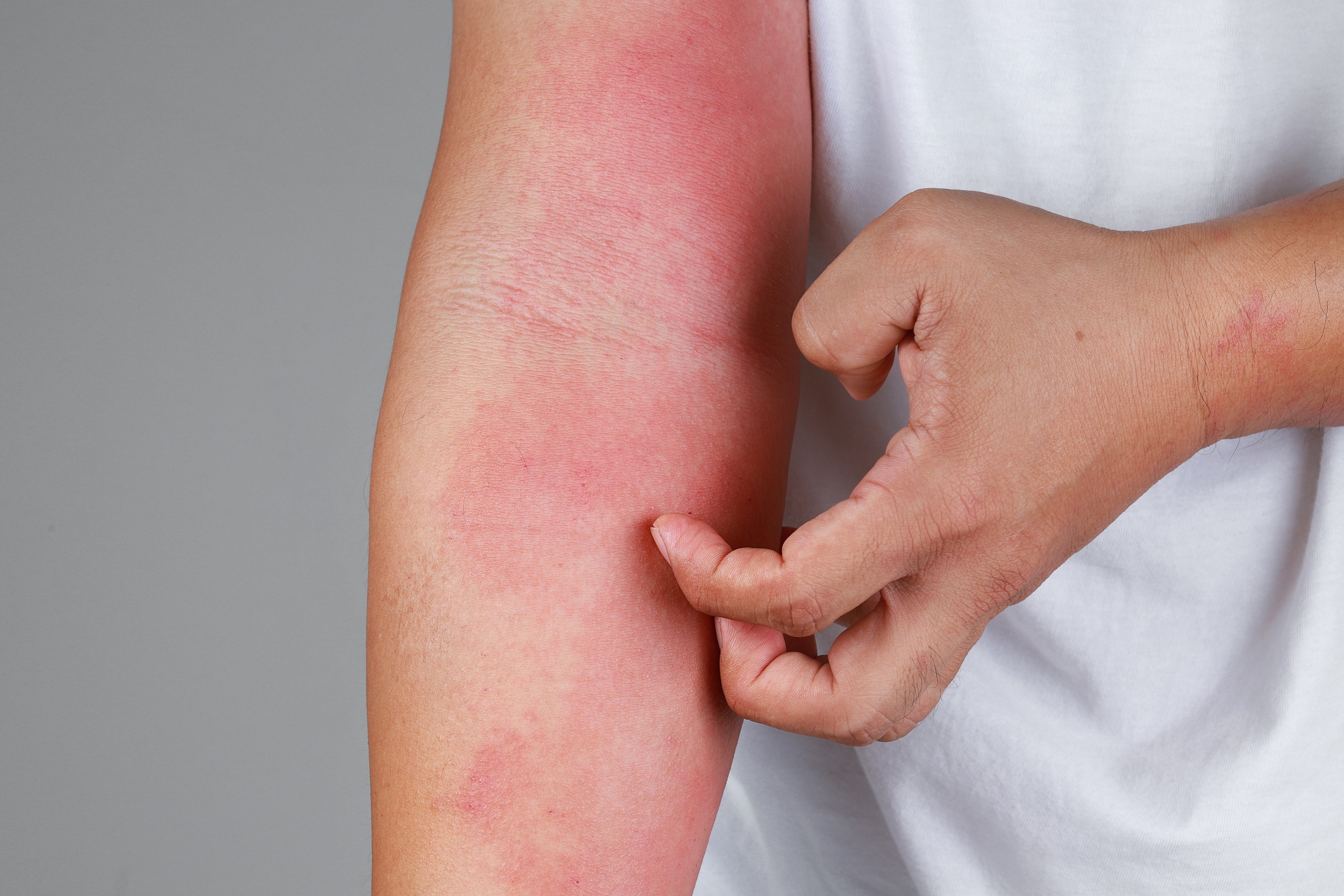

Atopic dermatitis, often called eczema, is a common long-term skin condition that causes itchy, dry, and inflamed skin. It can affect babies, children, teenagers, and adults. Although it is not contagious, it can be uncomfortable, visible, and difficult to manage when symptoms flare.
For many people, eczema is more than “just dry skin.” It can cause intense itching, cracked skin, sleep problems, skin infections, and emotional stress. Some patients experience mild symptoms that come and go, while others deal with persistent or severe eczema that affects daily life.
Treatment has changed significantly in recent years. Moisturizers and trigger management remain important, but patients may now also have access to prescription creams, phototherapy, biologics, JAK inhibitors, and clinical trials exploring new treatment approaches.
Browse Dermatology Studies
Explore dermatology clinical trials for eczema, atopic dermatitis, psoriasis, and other skin conditions.
What Is Atopic Dermatitis?
Atopic dermatitis is the most common type of eczema. It is a chronic inflammatory skin condition, meaning the skin can become irritated, itchy, and inflamed over time.
The condition often moves through periods of improvement and flare-ups. During a flare, the skin may become more itchy, dry, red, scaly, cracked, or painful. Between flares, the skin may look calmer but still remain sensitive.
Atopic dermatitis is also linked to the broader “atopic” tendency, which may include asthma, allergies, or hay fever in some families.
Common Atopic Dermatitis Symptoms
The most common symptom of atopic dermatitis is itching. In many cases, itching happens before the rash becomes more visible. Scratching can then make the rash worse, creating an itch-scratch cycle that is difficult to break.
Common atopic dermatitis symptoms include:
- dry or scaly skin
- intense itching
- red, purple, grey, darker, or lighter patches depending on skin tone
- cracked or thickened skin
- oozing, crusting, or bleeding during severe flares
- sleep disruption caused by itching
Eczema can look different depending on age and skin tone. In babies, it may appear on the cheeks, scalp, or face. In older children, it often affects the elbows, knees, wrists, ankles, or neck. In adults, it may appear on the hands, feet, arms, face, or other areas of the body.
What Causes Atopic Dermatitis?
There is no single cause of atopic dermatitis. It usually develops because of a combination of genetic, immune system, and environmental factors.
In many patients, the skin barrier does not hold moisture as well as it should. This makes the skin more vulnerable to dryness and irritation. The immune system may also overreact to certain triggers, leading to inflammation and flare-ups.
Common eczema triggers may include soaps, detergents, fragrance, certain fabrics, sweat, dry air, heat, stress, dust mites, pollen, pet dander, and skin infections.
Because triggers vary from person to person, eczema management often involves both treatment and careful observation of what makes symptoms worse.
Why Atopic Dermatitis Can Be Difficult to Manage
Atopic dermatitis can be frustrating because symptoms may improve and then return. Even when patients follow a skincare routine, flare-ups can still happen.
Severe eczema may affect sleep, school, work, relationships, and confidence. People with visible eczema may feel embarrassed or avoid certain activities. Ongoing itching can also lead to broken skin, bleeding, and a higher risk of infection.
Another challenge is treatment fatigue. Daily moisturizing, avoiding triggers, applying prescription creams, and attending appointments can take time. For patients with moderate to severe eczema, basic treatment may not always provide enough relief.
Current Treatment Options for Atopic Dermatitis
Treatment depends on the patient’s age, symptoms, severity, medical history, and how well previous treatments have worked.
Moisturizers and Skin Barrier Care
Most eczema treatment plans begin with regular moisturizing. Thick creams, ointments, and emollients can help protect the skin barrier and reduce dryness.
Patients are often advised to use fragrance-free skincare products, avoid harsh soaps, and moisturize consistently, even when the skin looks better.
Topical Corticosteroids
Topical corticosteroids are commonly used to calm inflammation during eczema flares. They can reduce redness, itching, and swelling when used correctly.
The strength and duration of treatment depend on the affected area and severity. Patients should follow medical guidance, especially when using stronger steroid creams.
Non-Steroid Topical Treatments
Some patients may be prescribed non-steroid creams or ointments, especially when steroids are not suitable or when long-term management is needed.
These may include topical calcineurin inhibitors, crisaborole, ruxolitinib cream, roflumilast cream, or tapinarof cream, depending on the patient and availability.
Phototherapy
Phototherapy uses controlled ultraviolet light to treat eczema that has not responded well to topical treatment. It may help reduce inflammation and itching, but it often requires repeated visits over several weeks.
Biologics and Oral Treatments
For moderate to severe atopic dermatitis, dermatologists may consider systemic treatments. These include biologic medications and oral JAK inhibitors.
Biologics for eczema are designed to target specific immune pathways involved in inflammation. JAK inhibitors work differently and may help reduce immune signaling that contributes to symptoms.
These treatments are usually considered when eczema is not well controlled with topical care alone.
New Eczema Treatments and Clinical Trial Research
The treatment landscape for atopic dermatitis has expanded because of clinical research. Many of today’s newer eczema treatments were first studied in clinical trials before becoming available to patients.
Clinical trials may test:
- new topical medications
- biologics for eczema
- oral treatments
- new dosing approaches
- treatments for specific patient groups
- long-term safety and effectiveness
For patients who continue to struggle with severe eczema, clinical trials may be worth discussing with a dermatologist or study team. A trial does not guarantee improvement, but it may provide access to research options while helping advance future eczema care.
Still struggling with eczema symptoms? A current eczema study may be available. Review the live study listing for NCT07223697 and check the latest eligibility and participation details before deciding whether to enquire.
Review the studyBenefits of Clinical Trials for Eczema Research
Clinical trials help researchers understand which treatments are safe, which are effective, and which patients may benefit most.
Expanding Treatment Options
Clinical trials are essential for developing new eczema treatments. Without research participation, newer topical therapies, biologics, and oral treatment options would not move forward.
Improving Long-Term Control
Many patients are not only looking for short-term flare relief. They want better long-term control, fewer symptoms, and improved quality of life. Clinical trials help researchers measure whether new treatments can support these goals.
Supporting More Personalized Care
Atopic dermatitis does not look or behave the same in every patient. Research may help identify which treatments work best for different ages, disease severities, skin types, and symptom patterns.
Limitations and Things to Consider Before Joining a Trial
Clinical trials are carefully reviewed, but they still require consideration. Not every study is right for every patient.
Before joining, participants should understand the study requirements, possible risks, possible benefits, time commitment, and whether any costs or compensation are involved.
Patients should also remember that participation is voluntary. You can ask questions before signing consent, and you can leave a study if you decide it is no longer right for you.
Future Directions in Atopic Dermatitis Research
Atopic dermatitis research continues to move toward more targeted and personalized treatment.
Future research may focus on better non-steroid creams, longer-lasting biologics, new oral medications, improved treatment combinations, and better strategies for preventing flares.
As more is learned about the immune system, skin barrier function, and inflammation, clinical trials will continue to play an important role in shaping eczema care.
Summary
Atopic dermatitis is a common but complex skin condition that can cause itching, dryness, inflammation, sleep problems, and reduced quality of life.
While moisturizers and trigger management remain important, treatment options now include prescription topicals, phototherapy, biologics, oral therapies, and clinical trial research.
For patients whose eczema remains difficult to control, clinical trials may offer a way to explore new approaches while contributing to future dermatology care.
FAQs
Is atopic dermatitis the same as eczema?
Atopic dermatitis is the most common type of eczema. Many people use the terms eczema and atopic dermatitis interchangeably.
Can atopic dermatitis be cured?
There is currently no cure for atopic dermatitis, but treatment can help manage symptoms and reduce flare-ups.
What are the most common symptoms of eczema?
The most common symptoms include itching, dry skin, rash, scaling, cracking, thickened skin, and skin discoloration.
What can trigger eczema flare-ups?
Common triggers include soaps, fragrance, detergents, sweat, heat, dry air, stress, allergens, and skin infections.
What if moisturizer and steroid cream are not enough?
Patients may need additional options such as non-steroid creams, phototherapy, biologics, JAK inhibitors, or clinical trials.
Are there clinical trials for eczema?
Yes. Clinical trials are ongoing for atopic dermatitis and other dermatology conditions, including studies exploring new eczema treatment options.