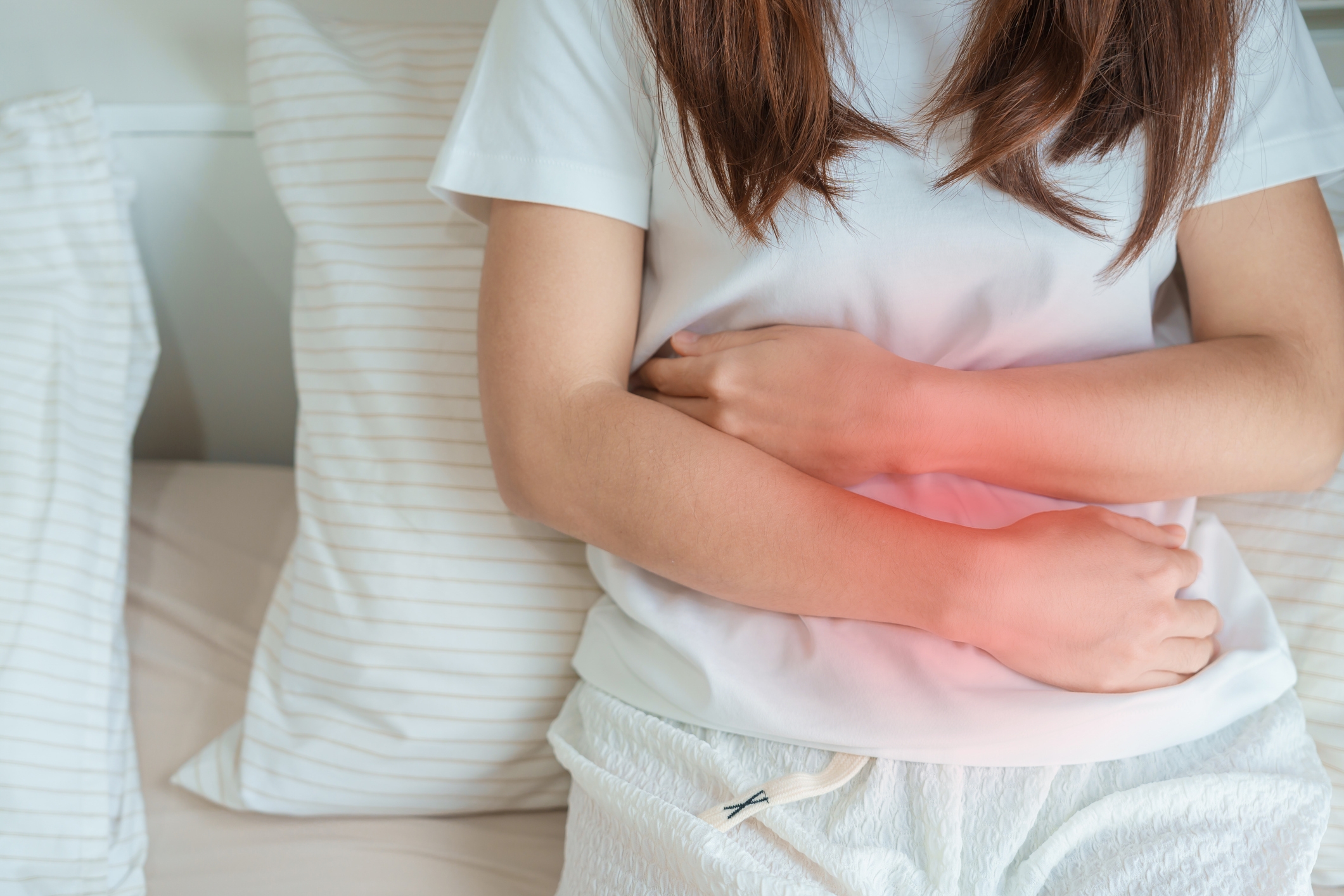

In the world of women’s health, endometriosis is one of the most common yet often misunderstood conditions. It affects millions of women worldwide and can have a significant impact on daily life, particularly due to chronic pain and fertility challenges.
Despite its prevalence, endometriosis can take years to diagnose, and treatment options may not work equally well for everyone. As a result, many patients continue to search for better ways to manage symptoms and improve quality of life.
Medical research continues to evolve, and clinical trials are playing an important role in exploring new treatments and improving our understanding of endometriosis.
Looking for Better Treatment Options for Endometriosis?
If current treatments aren’t providing enough relief, clinical trials may offer access to new approaches. Explore ongoing endometriosis studies and learn what options may be available near you.
What is endometriosis?
Endometriosis is a condition where tissue similar to the lining of the uterus (endometrium) grows outside the uterus. These growths can develop on the ovaries, fallopian tubes, and other areas within the pelvis.
Unlike normal uterine lining, this tissue has no way to leave the body during menstruation. This can lead to inflammation, pain, and the formation of scar tissue (adhesions).
Endometriosis is a chronic condition, meaning it can persist over time and may require ongoing management.
Symptoms of endometriosis
Endometriosis symptoms can vary widely between individuals. Some people experience severe symptoms, while others may have minimal discomfort.
Common symptoms include:
- Pelvic pain (often worse during menstruation)
- Pain during or after intercourse
- Heavy or irregular periods
- Painful bowel movements or urination
- Chronic lower back pain
- Fatigue
- Infertility or difficulty becoming pregnant
Pain is one of the most commonly searched concerns, and many patients describe endometriosis pain as persistent and disruptive to daily life.
Causes and risk factors of endometriosis
The exact cause of endometriosis is not fully understood, but several factors may contribute.
Retrograde menstruation
Menstrual blood flows backward into the pelvic cavity instead of leaving the body.
Genetic factors
Endometriosis may run in families, suggesting a genetic component.
Immune system dysfunction
The immune system may not effectively clear misplaced endometrial-like tissue.
Hormonal influences
Estrogen plays a key role in the growth of endometriosis tissue.
Understanding these factors is an active area of research and continues to shape new treatment approaches.
Stages of endometriosis
Endometriosis is often classified into four stages based on severity:
- Stage 1 (Minimal) – small lesions, little or no scar tissue
- Stage 2 (Mild) – more lesions, shallow implants
- Stage 3 (Moderate) – deeper implants, some adhesions
- Stage 4 (Severe) – extensive lesions, large cysts, significant scar tissue
It’s important to note that stage does not always correlate with pain levels. Some people with early-stage disease may experience severe symptoms.
Diagnosis of endometriosis
Diagnosing endometriosis can be challenging because symptoms often overlap with other conditions.
Doctors may use:
- Medical history and symptom evaluation
- Pelvic exams
- Imaging (ultrasound or MRI)
- Laparoscopic surgery, which is currently the most definitive way to confirm diagnosis
Because diagnosis often takes time, many patients experience delays in receiving appropriate care.
Treatment options for endometriosis
There is no cure for endometriosis, but several treatment options are available to manage symptoms.
Pain management
Over-the-counter or prescription medications may help relieve pain.
Hormonal therapy
Hormonal treatments can help slow the growth of endometrial-like tissue and reduce symptoms.
Endometriosis surgery
Laparoscopic surgery is commonly used to remove endometriosis lesions and scar tissue.
Lifestyle and supportive care
Diet, stress management, and physical therapy may support symptom control.
Treatment plans are often personalized based on symptoms, severity, and reproductive goals.
Endometriosis and infertility
Endometriosis is commonly associated with infertility. The condition may affect reproductive organs and interfere with egg quality, ovulation, or implantation.
However, many individuals with endometriosis are still able to conceive, either naturally or with medical support.
Fertility-focused treatments and research continue to evolve, offering hope to patients trying to become pregnant.
Ongoing research and clinical trials for endometriosis
Endometriosis research is focused on improving diagnosis, understanding disease mechanisms, and developing more effective treatments.
Clinical trials for endometriosis may explore:
- New hormonal therapies
- Non-hormonal treatment options
- Pain management innovations
- Fertility-related treatments
- Advanced surgical techniques
These studies aim to provide better outcomes and more personalized care for patients.
Clinical trials are helping researchers better understand endometriosis and develop new treatment approaches. Explore currently recruiting endometriosis clinical trials to see what studies may be available near you.
Find Endometriosis TrialConsiderations before joining a clinical trial
If you are considering a clinical trial, it’s important to understand what participation involves.
Clinical trials typically include:
- A structured study plan (protocol)
- Eligibility criteria
- Regular monitoring and follow-up
Participants go through an informed consent process to understand:
- Risks and potential benefits
- Study requirements
- Their right to leave the study at any time
Speaking with your doctor can help determine if a clinical trial is a good option for your situation.
Summary
Endometriosis is a complex and often challenging condition that can affect many aspects of daily life, from pain management to fertility.
While current treatments focus on symptom control, ongoing research and clinical trials are working to improve understanding and develop more effective therapies.
As awareness grows and research advances, patients may have access to better treatment options in the future.
FAQs
What are the main symptoms of endometriosis?
Common symptoms include pelvic pain, painful periods, fatigue, and difficulty becoming pregnant.
What causes endometriosis?
The exact cause is unknown, but factors such as hormonal imbalance, immune dysfunction, and genetics may contribute.
Can endometriosis be cured?
There is currently no cure, but treatments can help manage symptoms.
Are there clinical trials for endometriosis?
Yes. Ongoing research studies are exploring new treatment approaches and improving care for patients with endometriosis.