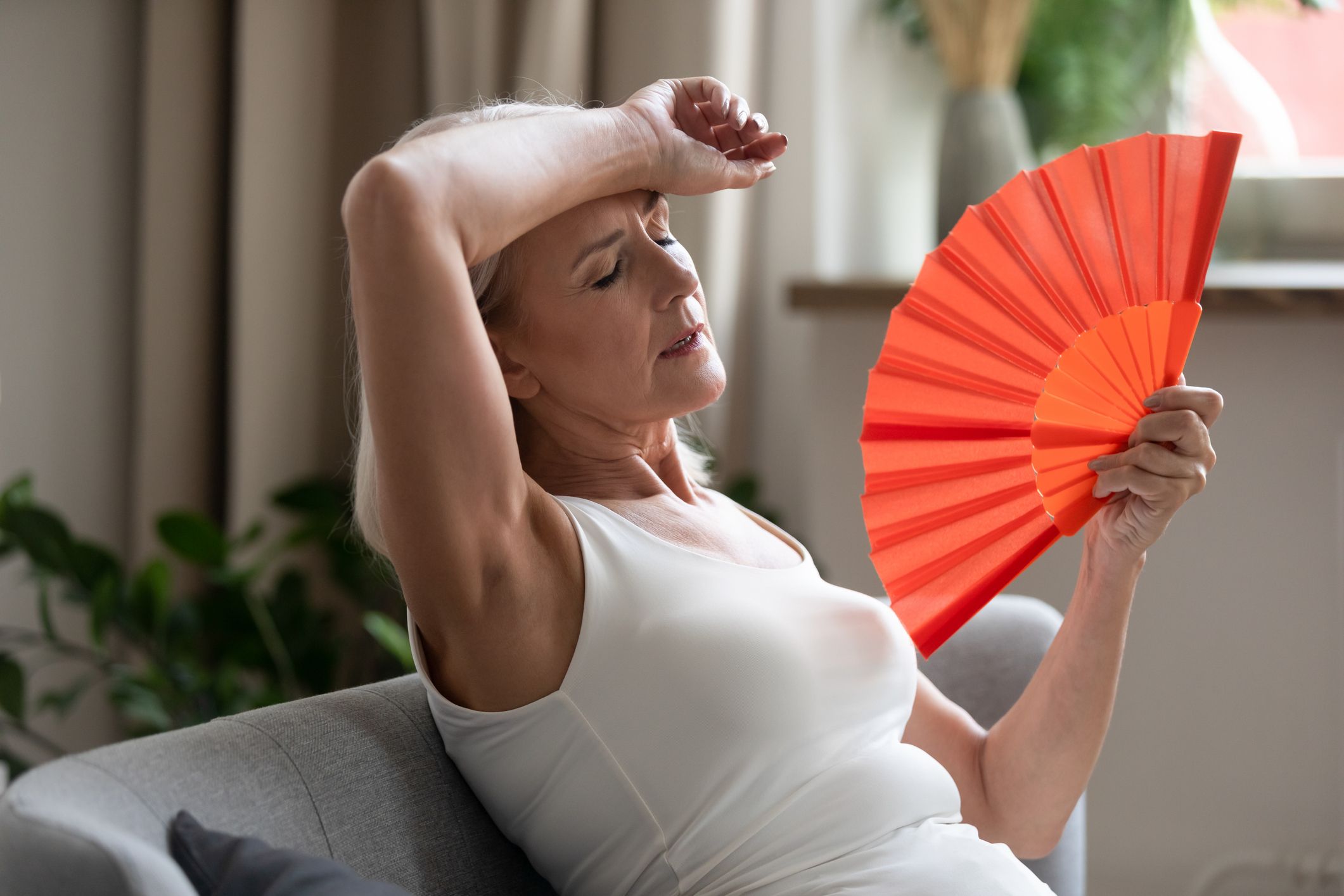

Menopause is a natural stage of life, but that does not mean it is always easy. For many women, the menopausal transition brings physical and emotional changes that can affect sleep, mood, energy, and overall quality of life. Common symptoms of menopause include hot flashes, night sweats, vaginal dryness, sleep problems, and mood changes. Menopause usually occurs naturally between ages 45 and 55, with the average age in the US around 51.
In the United States, women often discuss menopause symptoms with an OB-GYN, primary care provider, nurse practitioner, or women’s health specialist. Depending on symptom severity and medical history, treatment options may include lifestyle changes, hormone therapy, non-hormonal medications, or menopause supplements. Researchers are also studying new approaches through clinical trials, including supplements designed to improve menopause symptom relief.
Explore New Options for Menopause Symptom Relief
Browse clinical trials to explore potential treatment options and see what studies may be available for you.
What Is Menopause?
Menopause is confirmed after 12 consecutive months without a menstrual period. The years leading up to menopause are called perimenopause, when hormone levels rise and fall unevenly and symptoms often begin. During this transition, the ovaries produce less estrogen and progesterone, which is why many women begin noticing hot flashes, sleep disturbance, irregular periods, and mood symptoms before menopause itself is officially reached.
While menopause is a normal part of aging, the experience is not the same for everyone. Some women have mild symptoms, while others have symptoms that interfere with work, relationships, and daily routines. NIH research summaries also note that symptom severity and duration can vary widely across women.
Common Menopause Symptoms
Menopause symptoms can affect several parts of the body. For many women, the most disruptive symptoms are hot flashes, night sweats, and menopause sleep problems, but symptoms can also include emotional and urogenital changes.
Common menopause symptoms include:
- hot flashes and night sweats
- trouble sleeping or waking often at night
- mood changes or irritability
- vaginal dryness or discomfort during sex
- brain fog or trouble concentrating
- changes in periods during perimenopause
- lower energy levels
Why Menopause Symptoms Happen
Menopause symptoms happen mainly because hormone production changes over time. As estrogen and progesterone levels decline, the brain and body respond in ways that can affect temperature regulation, sleep, mood, and vaginal tissues.
For example, hot flashes menopause symptoms are linked to how lower estrogen levels affect the body’s temperature control system. Sleep may worsen because of night sweats or because hormonal changes themselves affect sleep quality. Mood changes can also happen during perimenopause and menopause, especially when sleep is disrupted. ACOG notes that fluctuating hormone levels during perimenopause can cause hot flashes, vaginal dryness, pain during sex, sleep problems, and night sweats.
How Menopause Is Managed
Many women start by discussing symptoms during a routine OB-GYN or primary care visit. Treatment decisions often depend on symptom severity, overall health, preferences, and whether certain treatments are safe based on personal or family history.
A clinician may recommend:
- lifestyle changes
- hormone therapy
- non-hormonal prescription treatment
- vaginal therapies for dryness
- menopause supplements or symptom tracking
Access can also be shaped by practical issues such as insurance coverage, appointment availability, medication cost, and access to a menopause-informed clinician. ACOG emphasizes that there are many options for managing menopause symptoms, including hormone and non-hormone treatment as well as lifestyle measures.
Menopause Treatment Options
There is no one treatment that works for everyone. The right approach depends on which symptoms are most bothersome and what is medically appropriate for the individual.
Lifestyle approaches
Some women benefit from practical changes such as dressing in layers, keeping bedrooms cool, limiting triggers for hot flashes, improving sleep habits, and building routines that support stress reduction. These steps may not eliminate symptoms, but they can help reduce how disruptive they feel.
Hormone therapy
According to ACOG and NCCIH, hormone therapy is the most effective treatment for menopausal hot flashes, but it is not appropriate for everyone. Risks and benefits depend on age, health history, and timing, so treatment should be individualized with a clinician.
Non-hormonal options
Some women cannot or do not want to use hormone therapy. In those cases, non-hormonal treatment options may be discussed for hot flashes, mood symptoms, or vaginal symptoms. ACOG and NIH note that non-hormonal treatments are part of standard menopause care in the US.
Menopause supplements
Many women also look for menopause supplements or more natural ways to manage symptoms. Interest in supplements is high, especially among women looking for additional symptom relief or alternatives to prescription therapy. Because product quality and effectiveness can vary, clinical research is important for understanding which supplement approaches may actually help.
Why So Many Women Search for Menopause Relief
Search behavior around menopause is strongly treatment-focused. Many women are not just asking what menopause is — they are searching for how to relieve menopause symptoms, especially hot flashes, sleep problems, and mood swings.
This reflects real-life concerns in the US, where women may be balancing work, caregiving, and daily responsibilities while also dealing with symptoms that can last for years. NIH research notes that symptom duration and intensity vary widely, which is one reason women often explore multiple treatment options before finding the right fit.
Looking for New Ways to Relieve Menopause Symptoms? Researchers are studying whether a supplement may help improve menopause symptoms over a 12-week period. Participants are randomly assigned to receive either the supplement or a placebo.
Learn More About the StudyThe Role of Clinical Research in Menopause Treatment
Clinical research plays an important role in improving care for women going through menopause. Many women want more options, especially if current treatment approaches are not giving enough relief or if they want to avoid certain medications.
This is where new research becomes important. Studies may evaluate:
- non-hormonal symptom relief
- better-tolerated treatment options
- supplement-based approaches
- ways to improve sleep, mood, or hot flashes
Clinical trials help researchers measure whether a treatment works, whether it is safe, and which symptoms it may help most. This evidence is essential before new options can become more widely recommended or used in practice.
Summary
Menopause is a normal stage of life, but symptoms can still be disruptive and difficult to manage. In the US, women often seek help through OB-GYN visits, primary care appointments, women’s health clinics, and increasingly through online searches for relief.
Common symptoms such as hot flashes, sleep problems, and mood changes can often be managed through a combination of lifestyle changes, medical treatment, and supportive care. At the same time, clinical trials are helping researchers explore new possibilities, including supplement-based approaches to menopause symptom relief.
For women looking for more options, staying informed about both standard care and clinical research can make it easier to have productive conversations with a healthcare provider.
FAQs
What are the most common menopause symptoms?
The most common symptoms include hot flashes, night sweats, trouble sleeping, mood changes, and vaginal dryness.
Is it normal to have sleep problems during menopause?
Yes. Sleep problems are common during perimenopause and menopause, especially when hot flashes or night sweats interrupt sleep.
What is the most effective treatment for hot flashes?
Hormone therapy is considered the most effective treatment for menopausal hot flashes, but it is not the right option for everyone. Treatment should be individualized with a clinician.
Are menopause supplements being studied in clinical trials?
Yes. Clinical research is investigating supplements and other non-hormonal approaches to see whether they may help improve menopause symptoms over time.