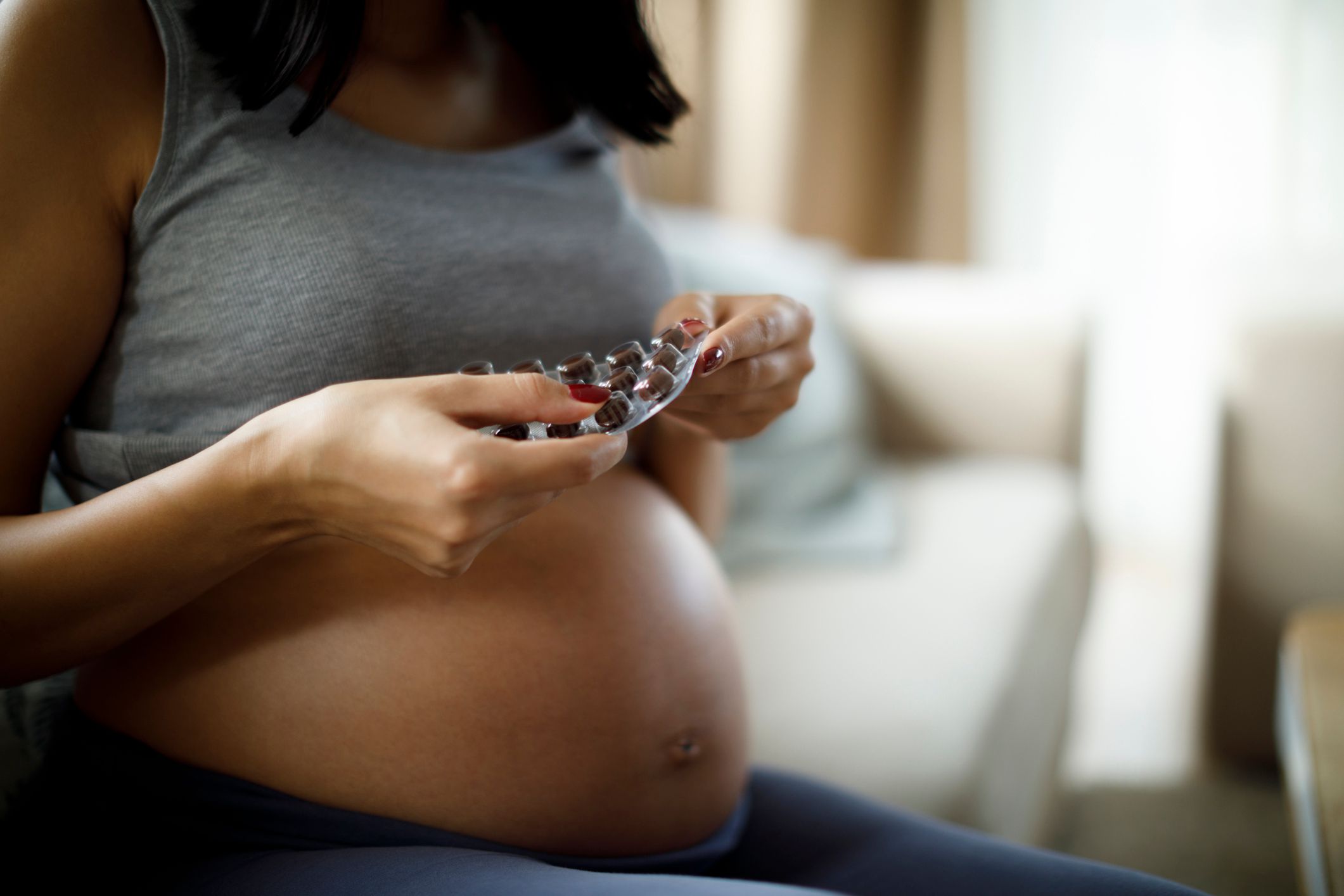

Iron deficiency during pregnancy is one of the most common nutritional problems affecting pregnant women. As your body works harder to support your growing baby, your need for iron rises significantly. If those needs are not met, iron levels can fall and lead to iron deficiency anemia during pregnancy.
This matters because iron is essential for making hemoglobin, the protein in red blood cells that carries oxygen throughout the body. During pregnancy, blood volume increases, the placenta develops, and the baby’s growth depends on a steady supply of oxygen and nutrients. When iron stores are too low, both mother and baby can be affected.
The good news is that iron deficiency during pregnancy is often manageable with early recognition, proper testing, and appropriate treatment. Ongoing clinical trials are also helping researchers better understand how different prenatal supplements may support healthier iron levels during pregnancy.
Support Healthy Iron Levels During Pregnancy
Researchers are studying how different prenatal supplements may affect iron levels during pregnancy. If you are in your second trimester, you may qualify for a clinical study and help advance prenatal nutrition research.
Why Iron Is So Important During Pregnancy
Iron plays a central role in a healthy pregnancy. Your body needs it to make more blood, support the baby’s development, and help deliver oxygen to tissues. Pregnancy increases iron requirements because the mother’s blood volume expands and the baby needs iron for growth, especially as pregnancy progresses.
Iron helps support:
- healthy red blood cell production
- oxygen delivery throughout the body
- fetal growth and development
- placenta function
- maternal energy levels
This is one reason why pregnancy iron levels are closely monitored during prenatal care. Even women who eat a balanced diet may find it difficult to get enough iron from food alone. The need often becomes more noticeable in the second trimester, when fetal growth accelerates and iron demand continues to rise.
Low iron levels can leave pregnant women feeling exhausted, weak, or short of breath, but iron deficiency is not always obvious at first. In some cases, it develops gradually and is only found through routine blood tests.
What Causes Iron Deficiency During Pregnancy?
Iron deficiency during pregnancy can happen for several reasons. Some women begin pregnancy with already low iron stores, while others develop deficiency as pregnancy increases their nutritional needs. In many cases, it is a combination of increased demand, limited dietary intake, and difficulty tolerating iron supplements.
Common reasons include:
- increased iron demand from pregnancy
- low intake of iron-rich foods
- reduced iron absorption
- multiple pregnancy, such as twins
- close pregnancies with little time to rebuild iron stores
- nausea or stomach issues that make supplements harder to take
Because of these factors, iron deficiency is common even among women who are otherwise healthy. This is why prenatal care often includes routine screening for anemia during pregnancy.
Symptoms of Low Iron During Pregnancy
The symptoms of low iron in pregnancy can be easy to miss because they often overlap with normal pregnancy changes. Feeling tired is common in pregnancy, for example, but when iron levels drop too low, fatigue can become more pronounced and persistent.
Some of the most common low iron pregnancy symptoms include:
- unusual tiredness
- weakness
- dizziness
- headaches
- shortness of breath
- pale skin
- rapid heartbeat
Because these symptoms are not specific to iron deficiency, blood testing is the best way to confirm whether low iron is the cause. That is why it is important not to rely on symptoms alone.
Risks of Iron Deficiency for Mother and Baby
Iron deficiency during pregnancy can affect both maternal health and fetal development, especially when it progresses to anemia. For the mother, low iron can contribute to severe fatigue, lower physical resilience, and reduced ability to tolerate blood loss during labor and delivery. In more serious cases, anemia may increase the risk of complications around birth.
For the baby, iron deficiency anemia pregnancy has been linked to concerns such as:
- low birth weight
- premature delivery
- slower growth
- possible effects on early development
These risks are one reason why healthcare providers take pregnancy nutrition iron seriously and often recommend iron-containing prenatal vitamins or additional supplementation when needed.
How Iron Deficiency Is Diagnosed
Iron deficiency is usually diagnosed through blood tests performed during prenatal visits. These tests often include hemoglobin, which measures the oxygen-carrying capacity of the blood, and ferritin, which helps show how much iron is stored in the body.
Doctors may look at:
- hemoglobin, to see whether anemia is present
- ferritin, to evaluate iron stores
- hematocrit, to assess red blood cell levels
If hemoglobin is low, your doctor or midwife may look more closely at whether iron deficiency is the cause. This is important because not all anemia during pregnancy is caused by low iron, and treatment may vary depending on the underlying issue.
Regular blood testing helps identify deficiency early, often before symptoms become severe. This gives patients a better chance of correcting low iron before it leads to more significant complications.
Treatment Options for Iron Deficiency During Pregnancy
Treatment depends on how low iron levels are, how far along the pregnancy is, and how well the patient tolerates iron therapy. In many cases, treatment begins with a combination of nutrition support and oral supplementation.
Dietary changes can help increase iron intake. Foods such as lean red meat, poultry, beans, lentils, spinach, and iron-fortified cereals may support better iron intake during pregnancy. Vitamin C can help improve absorption, so pairing iron-rich foods with fruits like oranges or strawberries may be useful.
Treatment may include:
- improving intake of iron-rich foods
- taking prenatal vitamins with iron
- using additional iron supplements if recommended
- switching supplement type if side effects are difficult
- intravenous iron in more severe cases
However, food alone is often not enough to correct established iron deficiency. This is why iron supplements pregnancy and prenatal vitamins iron are commonly recommended. Oral iron supplements are effective for many women, but they can also cause side effects such as constipation, nausea, or stomach discomfort. These side effects can make it harder to take supplements consistently.
In more severe cases, or when oral iron is not tolerated, healthcare providers may consider other approaches such as intravenous iron. This is typically reserved for situations where a faster or more direct correction is needed.
Why the Second Trimester Matters
The second trimester is often an important time for monitoring iron levels because iron needs continue to rise as pregnancy progresses. This is also a stage when many women begin to feel better than they did in early pregnancy, which can make it easier to focus on nutrition, supplements, and routine follow-up care.
At the same time, this period presents an opportunity for researchers to study how different prenatal supplements may influence second trimester iron needs and support healthier pregnancy outcomes. Understanding which forms of supplementation are better tolerated or more effective may help improve care in the future.
The Role of Clinical Trials in Pregnancy Nutrition
Clinical trials are an important part of improving prenatal care. In the area of iron deficiency and prenatal nutrition, researchers are studying how different supplement forms may affect absorption, iron levels, and overall tolerability.
Current research is exploring questions such as:
- Are some prenatal supplement forms easier to tolerate?
- Can different formulations improve iron levels more effectively?
- Which options are more practical for pregnant women to take consistently?
This kind of research matters because not every patient responds the same way to prenatal supplements. Some women do well with capsules, while others may find certain forms easier to tolerate than others. Clinical research helps identify better options and supports future recommendations for women who need extra iron during pregnancy.
By participating in research, eligible patients may also gain access to closer monitoring and contribute to medical knowledge that could improve care for future pregnancies.
Current Research Opportunity for Pregnant Women
The study focused on how different prenatal supplements may affect iron levels during pregnancy. This type of research is especially relevant for women in the second trimester, when iron requirements are becoming more important.
Learn More About This StudySummary
Iron deficiency during pregnancy is common, but it should not be ignored. Healthy iron levels support oxygen delivery, energy, fetal growth, and overall pregnancy health. When iron levels fall too low, symptoms such as fatigue and weakness may appear, and the risks to both mother and baby may increase.
With regular prenatal care, blood testing, and timely treatment, iron deficiency can often be identified and managed effectively. Research is also continuing to improve how prenatal supplements are used, with clinical trials helping shape the future of pregnancy nutrition.
FAQs
How do I know if I have low iron during pregnancy?
The most reliable way to know is through blood testing. Symptoms like fatigue, dizziness, or weakness can be signs, but they are not enough to confirm iron deficiency on their own.
Can iron deficiency during pregnancy harm the baby?
Low iron levels may increase the risk of complications such as low birth weight or preterm birth, especially if the deficiency becomes severe.
Are prenatal vitamins enough to prevent iron deficiency?
For some women, yes. For others, additional iron supplements may be needed depending on blood test results and individual iron needs.
Why do iron supplements upset the stomach?
Iron supplements can sometimes cause constipation, nausea, or digestive discomfort. This is one reason researchers continue studying different supplement types and formulations.