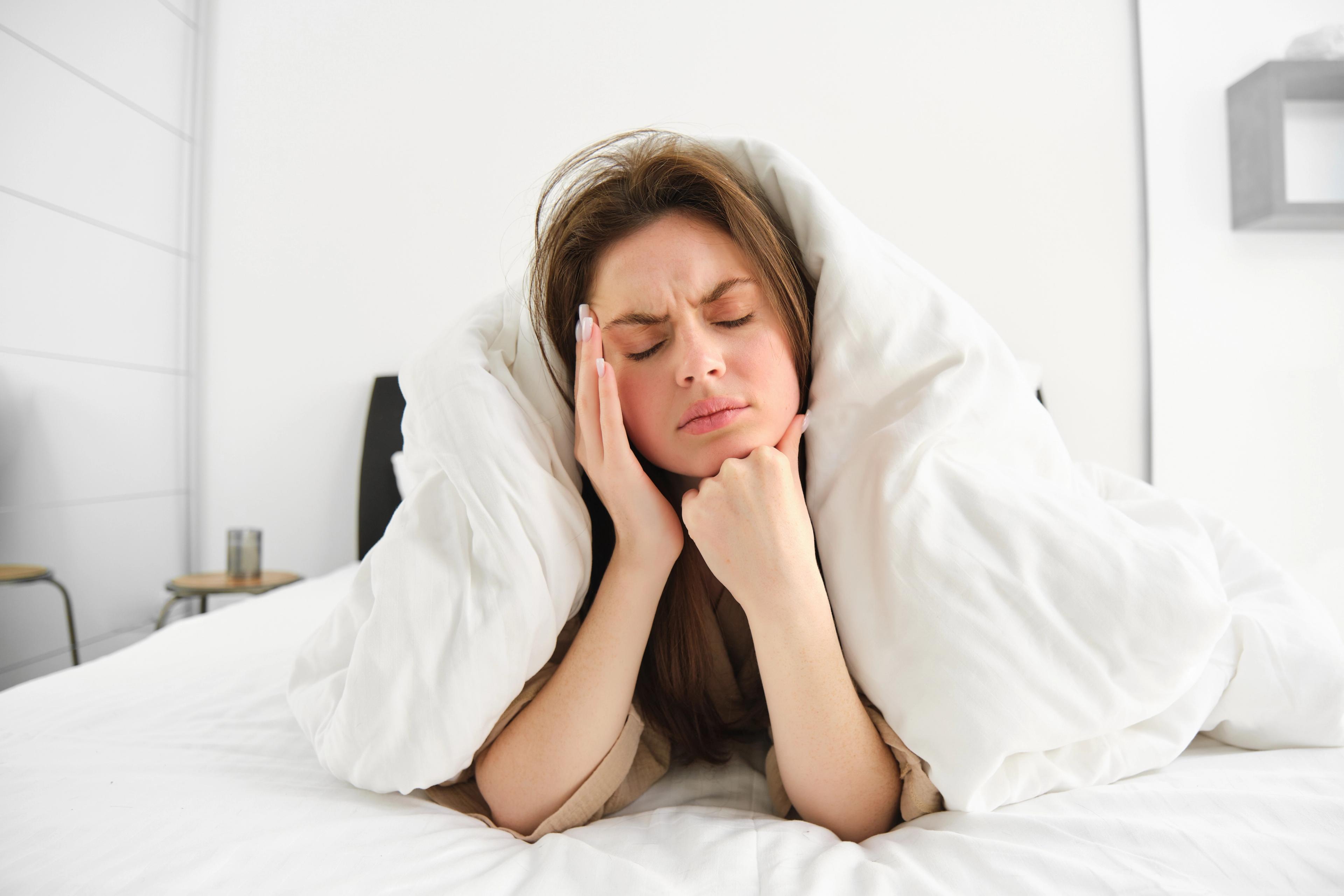

Sleep disorders come in many forms, like insomnia, sleep apnea, narcolepsy, restless leg syndrome, and each one is treated in a completely different way. Here's what's genuinely changed lately in how doctors treat sleep problems, plus one surprising connection between several of these conditions.
Looking for treatment options for sleep disorders?
Browse open sleep disorders clinical trials near you! We'll handle the follow-up.
One brain chemical, two opposite problems
There's a brain chemical called orexin, and it turns out to explain a lot. People with narcolepsy type 1 lose the brain cells that make orexin, that's a big part of why they struggle to stay awake. Insomnia can be almost the opposite: too much orexin activity, keeping the brain too alert to fall asleep. That's why some insomnia medications work by blocking orexin, while the leading narcolepsy treatment works by replacing it. Same brain chemical, opposite problem, depending on the condition.
Sleep apnea got its first-ever medication
Before December 2024, the only ways to treat obstructive sleep apnea were devices like CPAP or surgery. There was never an approved medication for it. That changed when tirzepatide was approved for adults who have moderate-to-severe sleep apnea and obesity. In the study that led to its approval, it cut breathing interruptions about five times more than placebo did, and about half of the people taking it saw their sleep apnea improve so much it either went away or became mild enough to stop causing symptoms after a year.
Narcolepsy just got a genuinely different kind of treatment
On August 5, 2026, the FDA approved oveporexton, a drug that replaces the orexin the brain is missing, after it succeeded in two separate trials for narcolepsy type 1. Other narcolepsy medications just manage symptoms like extreme daytime sleepiness. This one actually targets what's missing in the brain in the first place, making it a genuinely different kind of treatment, not just another way to cope with the symptoms.
Restless leg syndrome treatment changed in 2025
For more than 20 years, doctors' go-to first treatment for restless leg syndrome was a type of drug called dopamine agonists. That changed in January 2025, when sleep medicine guidelines switched to recommending a different type of medication instead. Why? Dopamine agonists can backfire over time, a problem called augmentation, where symptoms get worse, spread to other parts of the body, and start happening during the day too. The new guidelines also recommend checking for low iron levels in the brain, since that can contribute to restless leg syndrome and, if it's the cause, can often be fixed on its own.
Unusual Sleep Disorders
One of the lesser-known conditions that falls under this category is Exploding Head Syndrome, a real, recognized sleep disorder where people hear an imagined loud bang, crash, or explosion sound in their head right as they're falling asleep or waking up, with zero actual physical pain, and no real sound occurred at all. It sounds alarming (hence the name), but it's considered harmless. In one of the largest surveys done on it, about 44% of people who experienced it reported real fear upon waking, even though nothing was actually wrong.
Another unusual one is catathrenia, a real sleep disorder where someone groans loudly while breathing out during sleep, with no awareness of it happening at all. It can sound alarming to a partner, sometimes mistaken for pain or distress, but the person doing it sleeps through it completely undisturbed and wakes up feeling fine.
How to find a sleep disorder study
You can search all sleep disorder studies on our platform, filter by the specific condition and location, and see whether you meet the basic criteria before applying. Right now, there are studies recruiting on topics like cognitive behavioral therapy for insomnia in cancer survivors and digital sleep optimization for brain health in older surgical patients. The process usually takes a few minutes, and a coordinator follows up afterward to walk you through next steps.
Common questions
What are General Sleep Disorders? Sleep disorders cover a wide range of conditions that affect how well a person falls asleep, stays asleep, or feels rested, including insomnia, sleep apnea, narcolepsy, restless legs syndrome, and irregular sleep-wake patterns. These conditions can develop on their own or alongside other health issues, and when they go unaddressed, they can affect daily energy, mood, and overall wellbeing.
Why does treatment for sleep disorders vary so much? Because "sleep disorder" covers very different underlying problems: a missing brain chemical, airway blockage, or nerve signaling issues. So what works for one condition usually does nothing for another.
What is REM sleep behavior disorder? Normally, the body is essentially paralyzed during REM sleep, which is what keeps us from acting out our dreams. In REM sleep behavior disorder, that paralysis doesn't fully kick in, so people can physically act out what they're dreaming, like talking, shouting, or even kicking and punching, sometimes injuring themselves or a partner.
See sleep disorder clinical trials recruiting near you:
Sleep Disorder Clinical Trials