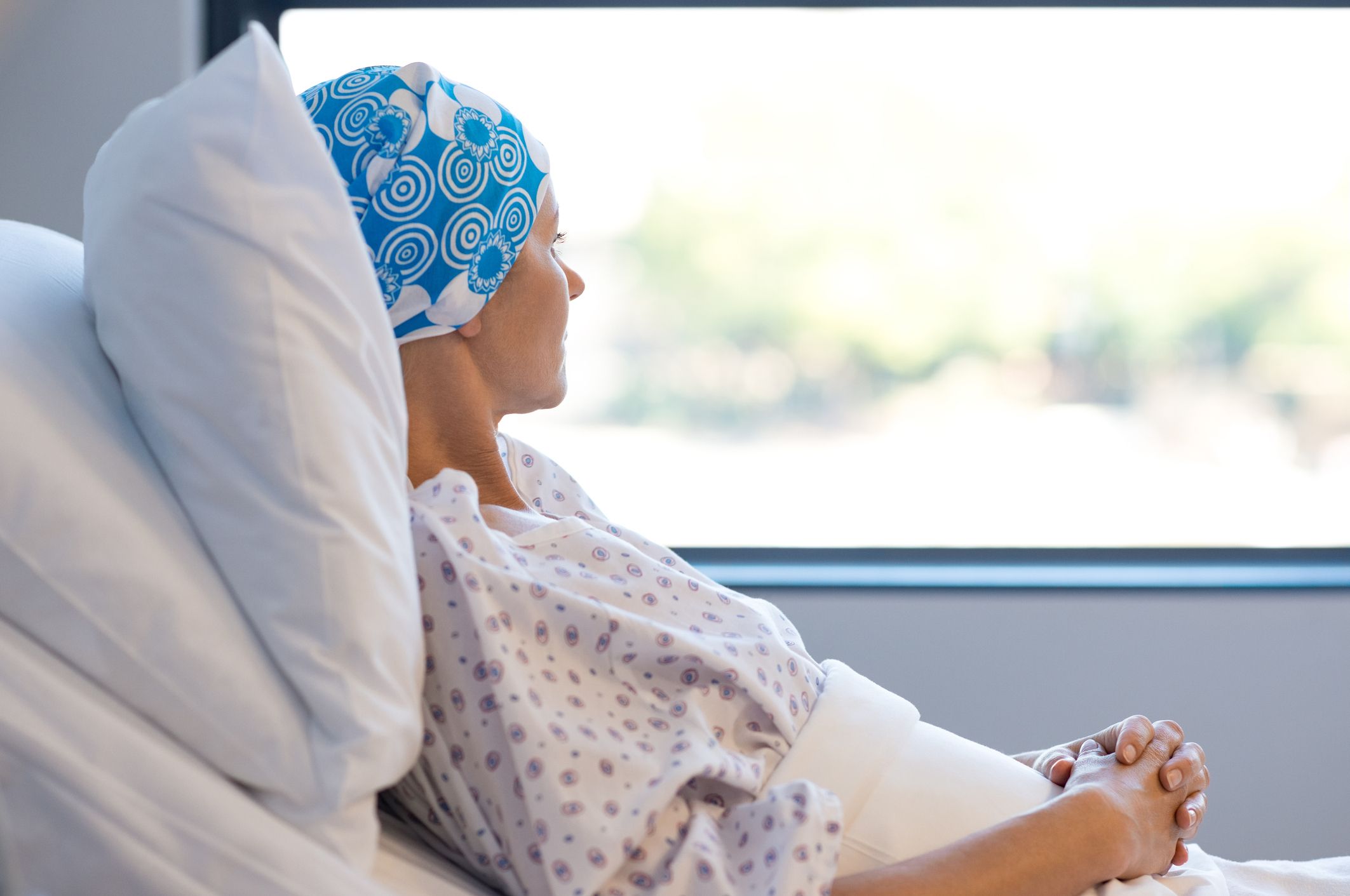

Clinical trials are essential to advancing cancer treatment. Every chemotherapy, immunotherapy, targeted therapy, and precision medicine available today was once tested in a clinical trial.
Yet despite their importance, only a small percentage of adult cancer patients participate in clinical trials.
Many patients assume their oncologist will automatically present every possible option. In reality, clinical trials are often never mentioned — especially outside major research hospitals.
Take the Next Step in Exploring Your Options
Clinical trials may offer additional treatment possibilities. Browse currently recruiting studies and learn what may be available.
So why does this gap exist?
The answer lies not in patient unwillingness, but in structural barriers, fragmented systems, and logistical challenges that limit awareness long before a decision is made.
The Participation Gap: What the Numbers Show
Historically, fewer than 5% of adult cancer patients have enrolled in clinical trials. More recent national estimates suggest participation may be somewhat higher overall — but still significantly lower in community settings, where most patients receive treatment.
At the same time, many cancer trials struggle with slow enrollment. Some studies are delayed or closed early simply because not enough eligible participants enroll.
This creates a paradox:
- Patients say they would consider trials
- Trials need patients
- Yet the two often never connect
Most Cancer Care Happens Where Most Trials Don’t
One major reason many patients never hear about trials is location.
The majority of cancer patients receive treatment in community oncology settings. However, most clinical trials are conducted at large academic medical centers and research institutions.
This creates an uneven distribution of opportunity.
Two patients with the same cancer diagnosis may have very different exposure to trial options depending on:
- Where they are treated
- Whether their hospital runs trials
- Whether their oncologist is affiliated with research networks
If a trial isn’t available locally, it may never come up in conversation.
Trials May Exist — But Not at Your Institution
Even when a clinical trial exists for a specific cancer type, it may not be open at the patient’s treatment center.
Research shows that:
- Many patients have no trial available at their institution
- Some are not eligible for locally available studies
- Only a small percentage ultimately enroll
If there is no active, suitable trial at a patient’s center, it may not be discussed during routine treatment planning.
This is not necessarily a failure of care — it reflects how fragmented trial infrastructure can be.
Eligibility Criteria Have Become More Complex
Modern oncology trials are increasingly biomarker-driven.
Eligibility may depend on:
- Specific genetic mutations
- Tumor molecular profiles
- Prior treatment history
- Organ function markers
- Comorbidities
Two patients with the same type of cancer may qualify for completely different trials based on genomic details.
If genomic testing hasn’t been performed — or if trial matching tools aren’t integrated into clinical workflows — relevant studies may remain invisible.
In many cases, the challenge is not that trials don’t exist. It’s that matching patients to the right study is complicated and time-consuming.
Time and Travel Quietly Limit Access
Even when a suitable trial is identified, practical barriers can block participation.
Common challenges include:
- Travel distance to research centers
- Frequent appointment requirements
- Time off work
- Caregiver availability
- Out-of-pocket travel expenses
For some patients, traveling long distances multiple times per month simply isn’t feasible.
If clinicians anticipate these barriers, they may hesitate to raise trials unless patients explicitly express interest.
The Conversation Gap: Why Trials Aren’t Always Discussed
Oncology visits are often focused on urgent decisions:
- Reviewing scans
- Managing side effects
- Starting treatment quickly
Identifying a clinical trial requires:
- Reviewing eligibility criteria
- Confirming biomarker results
- Checking open enrollment status
- Coordinating referrals
In busy clinical environments, trial screening may not be built into standard workflows.
Studies show many patients report never discussing clinical trials with their provider — even though they trust their physician as their primary source of medical information.
This gap is rarely intentional. It’s often systemic.
Are Patients Unwilling? Research Suggests Otherwise
A common misconception is that patients decline trials because they are fearful or uninterested.
However, research shows that when patients are actually offered a suitable cancer clinical trial, a substantial percentage agree to participate.
The problem is not primarily refusal — it’s limited access and awareness.
How Trial Matching Is Evolving
As oncology becomes more personalized, trial matching is evolving as well.
New approaches aim to:
- Match patients by biomarkers and genomic profiles
- Use structured databases to surface eligible studies
- Integrate trial matching earlier in the care pathway
- Reduce travel burden through decentralized trial elements
Precision matching tools have shown promise in helping eligible patients identify relevant trials more efficiently.
As these systems improve, trial visibility may expand beyond large research hospitals.
What Patients and Caregivers Can Do
If you or a loved one is navigating cancer treatment, you can take proactive steps:
- Ask directly: “Are there any clinical trials I might qualify for?”
- Request copies of pathology and genomic test results
- Explore trials by condition and location
- Ask whether referrals to research centers are available
- Inquire about hybrid or decentralized trial options
Clinical trials are not right for everyone. But informed discussion ensures that options are not overlooked.

Still Wondering If Clinical Trials Are Safe? Understanding how trials are monitored and regulated can help you feel more confident when exploring your options.
Explore Clinical Trials on AllClinicalTrials.com
AllClinicalTrials.com helps patients and caregivers explore currently recruiting studies by condition and location.
You can review eligibility criteria, understand study goals, and decide whether a conversation with your care team makes sense.
Greater awareness is the first step toward greater access.
Explore currently recruiting clinical trials based on your condition and location. Compare eligibility requirements and connect with study teams to learn more about available research opportunities.
Search for Clinical Trials Near YouSummary
Few cancer patients enroll in clinical trials — not because they wouldn’t consider them, but because the pathway to enrollment is complex.
Barriers include:
- Geographic mismatch between care and research
- Limited trial availability in community settings
- Complex eligibility criteria
- Travel and financial burdens
- Workflow limitations in busy oncology practices
Improving awareness, trial matching, and access infrastructure can help bridge this gap.
Clinical trials drive progress in cancer care. Ensuring patients hear about them — when appropriate — is part of building a more connected and equitable research system.
FAQs
Why are cancer clinical trial enrollment rates low?
Enrollment is limited by structural barriers such as trial availability, eligibility criteria, geographic access, and logistical constraints — not simply patient refusal.
Are clinical trials only offered at large hospitals?
Most oncology trials are conducted at academic medical centers, though some community hospitals participate through research networks.
Do doctors automatically check for clinical trials?
Not always. Trial matching requires reviewing eligibility criteria and open enrollment status, which may not be integrated into every clinical workflow.
Are clinical trials only for advanced cancer?
No. Trials exist for early-stage, advanced-stage, prevention, and supportive care settings.