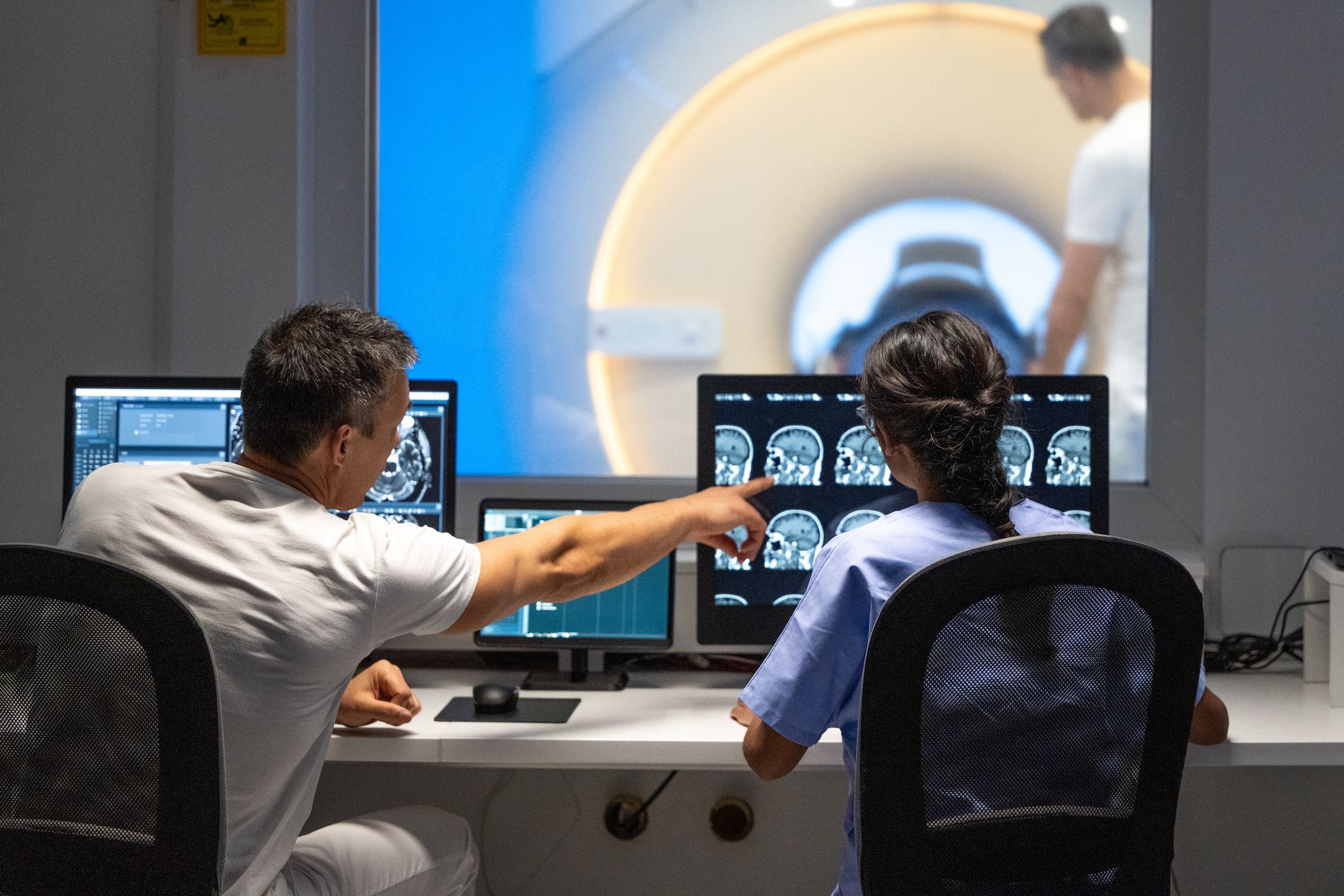

Clinical trials are rapidly evolving. Traditional research models that required frequent site visits, paper questionnaires, and in-person monitoring are increasingly being replaced by digital tools that make research more accessible and patient-centered.
Virtual reality (VR), mobile apps, wearable devices, telemedicine, and remote monitoring technologies are now becoming part of modern clinical research. Together, these technologies fall under the broader category of digital health.
Digital health technologies are helping researchers collect more data, improve patient engagement, reduce travel burden, and create more flexible clinical trials. While these technologies cannot replace traditional research entirely, they are changing how clinical trials are designed and how participants experience them.
Explore Digital Health Clinical Trials
Discover clinical trials using digital tools, remote monitoring, virtual care, and innovative technologies designed to make research more accessible and patient-centered.
Challenges in Traditional Clinical Trials
Clinical trials are essential for developing new treatments, but traditional trials often face significant challenges.
Researchers frequently struggle with:
- Slow participant recruitment
- Geographic limitations for patients
- High operational costs
- Participant dropout during long studies
- Limited access for people living outside major cities
Frequent site visits can make participation difficult for patients managing work schedules, family responsibilities, mobility issues, or chronic conditions.
These challenges have led researchers to explore digital approaches that reduce barriers and make studies more flexible.
What Is Digital Health in Clinical Trials?
Digital health refers to the use of technology to support healthcare delivery, monitoring, communication, and data collection.
In clinical trials, digital health tools may include:
- Virtual reality platforms
- Smartphone applications
- Wearable devices
- Remote monitoring technologies
- Telemedicine visits
- Electronic questionnaires and symptom tracking
These tools allow researchers to collect health data remotely while enabling participants to complete some trial activities from home.
What Is Virtual Reality in Clinical Research?
Virtual reality uses immersive computer-generated environments that participants interact with using headsets or digital platforms.
In research settings, VR may be used for:
- Pain management
- Mental health interventions
- Physical rehabilitation
- Cognitive training
- Exposure therapy
- Behavioral health research
Virtual reality creates controlled environments where researchers can study symptoms, behaviors, and treatment responses more consistently.
Why Digital Health Matters in Clinical Trials
Digital technologies are helping researchers redesign trials around patients rather than research sites.
By reducing travel requirements and increasing convenience, digital health tools may improve:
- Participant recruitment
- Study retention
- Data collection frequency
- Access to research opportunities
- Patient diversity in studies
These technologies are particularly important as decentralized clinical trials become more common.

Curious how modern research is changing patient participation? Read our guide on How Long Does It Take to Get Into a Clinical Trial?
Applications of Virtual Reality and Digital Health in Clinical Trials
Digital technologies can support nearly every stage of clinical research.
Patient Recruitment and Enrollment
Recruitment remains one of the biggest barriers in clinical research.
Digital platforms can help identify participants through:
- Electronic health records
- Online screening tools
- Mobile recruitment campaigns
- Remote eligibility assessments
This may allow studies to reach patients outside major academic hospitals.
Remote Monitoring and Wearable Technology
Wearables and connected devices allow researchers to collect real-time data outside clinical settings.
Examples include:
- Activity trackers
- Heart rate monitors
- Sleep tracking devices
- Glucose monitors
- Remote blood pressure monitoring
These tools may provide more accurate information about daily health patterns compared to occasional clinic visits.
Virtual Reality for Symptom Management
VR-based therapies are increasingly being explored for symptom management.
Researchers are studying virtual reality for:
- Chronic pain management
- Anxiety reduction
- Depression support
- Neurological rehabilitation
- Physical therapy
One example of digital-health research currently recruiting is this chronic pain study:
Explore a Digital Health Study for Chronic Back Pain
View Study DetailsMental Health and Digital Therapeutics
Mental health research has become one of the fastest-growing areas for digital interventions.
Researchers are increasingly using:
- Remote therapy tools
- Digital cognitive exercises
- Brain stimulation technologies
- Telemedicine screening
- Symptom monitoring apps
Example:
Explore Research Using Technology to Better Understand Depression
View Study DetailsBenefits of Digital Health in Clinical Trials
Digital tools offer multiple advantages for patients and researchers.
Better Access to Research
Remote participation allows more people to participate regardless of location.
Patients living in rural areas or far from major research hospitals may have more opportunities.
Improved Participant Convenience
Digital studies may reduce:
- Travel time
- Time away from work
- Transportation costs
- Scheduling burden
More Frequent Data Collection
Continuous monitoring allows researchers to observe changes more closely rather than relying only on scheduled visits.
Greater Participant Engagement
Apps, reminders, coaching platforms, and digital communication tools may help participants stay involved throughout longer studies.
Challenges and Limitations of Digital Health Research
Technology also creates new challenges.
Privacy and Data Security
Digital trials often collect large amounts of personal information.
Researchers must ensure:
- Secure data storage
- HIPAA compliance
- Participant privacy protection
- Transparent data usage policies
Technology Access Barriers
Not everyone has equal access to:
- Smartphones
- Reliable internet
- Wearables
- VR equipment
Digital access disparities may create participation barriers.
Technology Fatigue
Frequent device use, questionnaires, or notifications may increase participant burden over time.
The Future of Virtual Reality and Digital Health Research
Technology will likely continue expanding in clinical research.
Future innovations may include:
- AI-assisted digital therapeutics
- More home-based studies
- Advanced wearables
- Personalized digital interventions
- Fully decentralized trials
As these technologies evolve, researchers hope to make clinical trials faster, more accessible, and more patient-centered.
Summary
Virtual reality and digital health are changing how clinical trials are conducted.
From wearable devices and remote monitoring to virtual therapies and digital interventions, technology is making research more flexible and accessible.
Although challenges remain, digital tools may help reduce participation barriers while improving patient experiences and expanding access to research opportunities.
FAQs
Are virtual reality clinical trials common?
VR research is growing rapidly, especially in pain management, rehabilitation, and mental health studies.
Can digital health trials be completed entirely from home?
Some studies are fully remote, while others combine virtual activities with in-person visits.
Are wearable devices required in digital clinical trials?
Not always. Requirements vary depending on study design.
Are digital health clinical trials safe?
Clinical trials using digital technologies still undergo ethical review and regulatory oversight to protect participants.
Do digital trials pay participants?
Compensation varies by study. Some provide reimbursement, payment for time, or travel support.