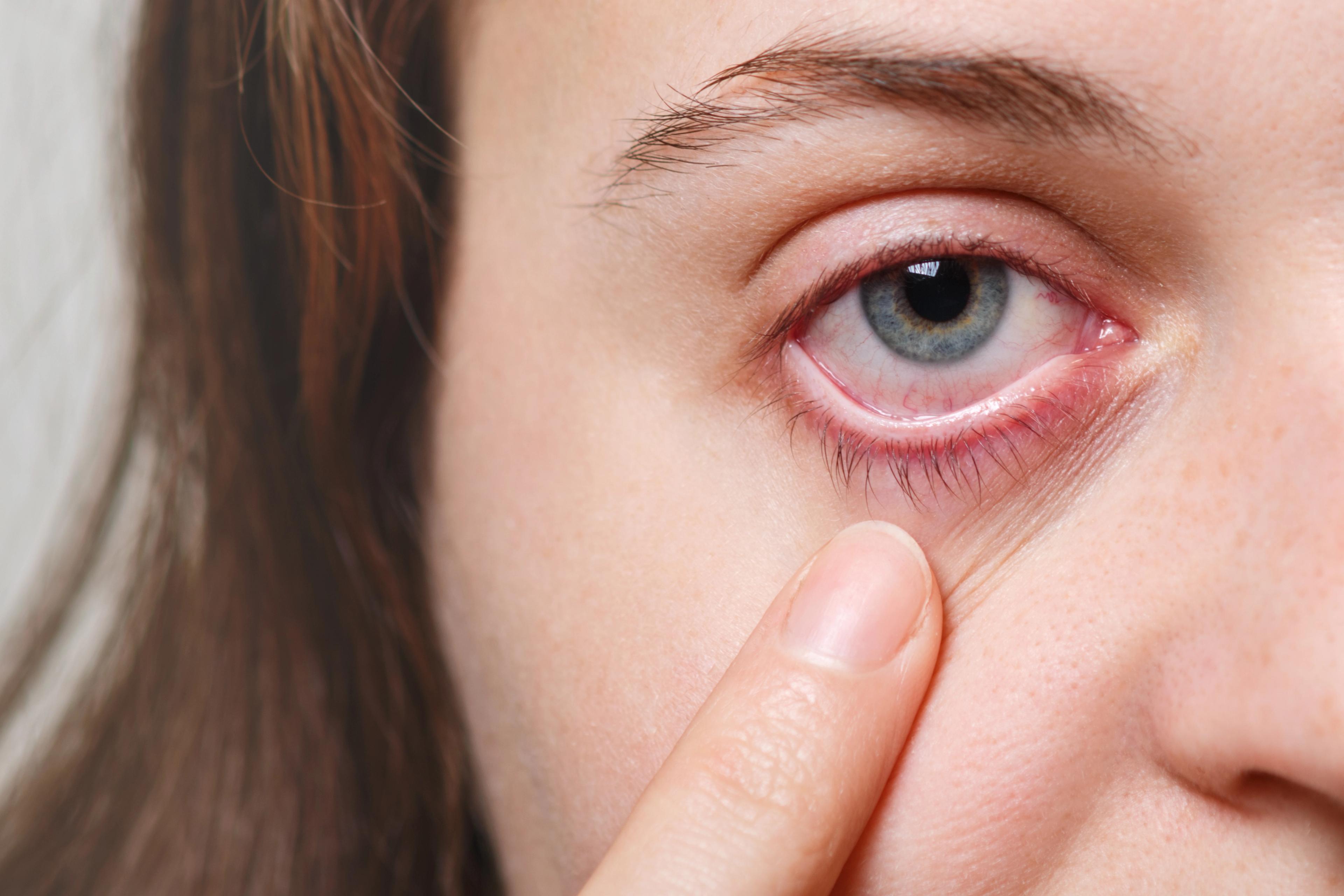

Looking for treatment options for Dry Eye?
Browse open Dry Eye clinical trials near you! We'll handle the follow-up.
How dry eye disease is actually treated right now
Most approved treatments fit into a few groups, depending on what's actually causing the dryness.
Calming down inflammation. For a lot of people, dry eye is caused by inflammation that gets in the way of the eye making its own tears. Two medications, cyclosporine and lifitegrast, both work on that inflammation, just in slightly different ways. For short flare-ups, there's also a steroid drop called loteprednol etabonate, it's meant for quick relief, not everyday long-term use.
Stopping tears from evaporating too fast. A medication called perfluorohexyloctane takes a completely different approach. Instead of dealing with inflammation, it forms a thin, protective layer over the eye so tears don't evaporate as quickly. For a lot of people, that's actually the real problem, not making too few tears, but losing them too fast.
Getting the eye to make more of its own tears. Two approved treatments work by activating nerves instead of putting medication directly on the eye. One, varenicline, is a nasal spray that stimulates a nerve pathway to trigger natural tears. The other, acoltremon (approved in May 2025), does something similar, but as an eye drop, it activates the eye's cold-sensing receptors, which basically tricks it into making more tears on its own.
What researchers are studying now
A few more options are still working through testing, and their progress shows how bumpy this process can be, even for promising drugs. Reproxalap works on a different inflammation pathway than the drugs above, but the FDA has turned it down three times now, most recently in March 2026, not because of safety issues, but because the results weren't consistent enough across trials. The company isn't running new trials right now; instead, it's talking with the FDA to figure out what it would take to move forward.
PL9643, a treatment based on a peptide (a small protein-like molecule), had a partly successful main trial: about half of the symptoms it was tested on showed real improvement, and that improvement started showing up within just two weeks. That wasn't quite enough on its own, so two more trials are underway now, with results expected sometime in the second half of 2026.
Researchers are also studying a different peptide, called vezocolmitide, aimed specifically at people with more serious eye-surface damage from dry eye, not just the discomfort side of it. A Phase 3 trial currently recruiting through ORA, Inc. is testing it directly in adults with dry eye disease.
Common myths about dry eye disease
Dry eye disease isn't always about not making enough tears. A lot of people actually produce plenty of tears, the problem is that the oily layer that's supposed to keep those tears from evaporating too quickly isn't working right. That's why treatments aimed at slowing down evaporation can help people who don't get relief from drops meant to boost tear volume.
It's also not just caused by screens. Staring at a screen can make things worse, since people blink less while doing it, but it's rarely the only reason someone gets dry eye. Autoimmune conditions like Sjögren's syndrome, hormone changes, getting older, and certain medications can all play a role too.
How to find a dry eye disease study
You can search dry eye studies on our platform, filter by location, and see whether you meet the basic criteria before applying. The process usually takes a few minutes, and a coordinator follows up afterward to walk you through next steps.
For example, a trial at NYU Langone is currently recruiting people with dry eye disease to test TRYPTYR (acoltremon), and another study is looking at whether a nasal spray treatment improves tear film stability in people with dry eye and mild-to-moderate Meibomian gland dysfunction.
Common questions
What is dry eye disease? Dry eye disease happens when the eyes don't make enough tears, or when the tears they do make aren't made up the right way to keep the eye's surface healthy. Tears actually have three layers: oil, water, and mucus, and if any one of them is off, the eyes can feel dry even if there are "enough" tears. This is often linked to aging, a lot of screen use, certain medications, or other health conditions, and it can cause burning, redness, blurry vision, or sensitivity to light.
Does dry eye disease affect more than comfort? It can. Chronic, untreated dry eye disease can lead to damage on the surface of the eye itself, and it's sometimes an early sign of an autoimmune condition like Sjögren's syndrome rather than a standalone issue. If dry eye is persistent despite over-the-counter drops, it's worth having it looked at rather than just managing around it.
Can dry eye disease cause blurry vision? Yes, temporarily. When the surface of the eye doesn't stay evenly coated with tears, vision can blur or fluctuate, especially after reading or screen use. It's one of the more common but overlooked symptoms.
Can dry eye disease cause blindness? On its own, rarely. But severe, long-untreated dry eye disease can damage the cornea over time, so it's worth treating seriously rather than assuming it's just an annoyance.
How long does dry eye disease last? It depends on the cause. Some cases are temporary, tied to weather, illness, or medication, while others, especially those linked to underlying conditions, are more chronic and need ongoing management rather than a one-time fix.
How common is dry eye disease? Very common. A 2025 international study found 58% of people experience dry eye symptoms, though only about 17% of people in the US ever get a formal diagnosis, so a lot of people are dealing with it without realizing there's a name for it, or that it's treatable.
Is dry eye disease an autoimmune disease? Not on its own. Most cases aren't autoimmune-related. But it can be caused or worsened by one, most commonly Sjögren's syndrome, where the immune system affects the glands that produce tears. If a dry eye disease shows up alongside things like joint pain or dry mouth, it's worth mentioning to a doctor, since that combination can point to something autoimmune.
See dry eye disease clinical trials recruiting near you:
Dry Eye Disease Clinical Trials