
Enhertu (fam-trastuzumab deruxtecan) is widely used for breast cancer, and it is also approved for some lung, stomach, and other cancers. Its side effects are different from those of standard chemotherapy, and one of them, a lung problem called interstitial lung disease, needs particular attention. This guide explains the common and serious side effects listed in the official prescribing information, how they are prevented and managed, which warning signs need a call to your care team, and what your options are if Enhertu stops working.
Looking for what comes after Enhertu?
Many studies are testing new antibody drug conjugates and combinations for metastatic breast cancer, including for people whose cancer has grown after Enhertu. Search studies near you and apply in about 5 minutes.
What Enhertu is and how it works
Enhertu is an antibody drug conjugate, sometimes described as a “smart chemotherapy.” It combines an antibody that seeks out HER2, a protein on the surface of some cancer cells, with a powerful chemotherapy drug attached to it. The antibody carries the chemotherapy to cancer cells with HER2, where it is released, and some of it can also reach nearby cancer cells. This is why Enhertu works not only in HER2 positive breast cancer but also in cancers with lower amounts of HER2, called HER2 low and HER2 ultralow.
In breast cancer, Enhertu is now approved for HER2 positive metastatic disease, including as a first treatment together with pertuzumab since December 2025; for HER2 low and HER2 ultralow metastatic disease; and, since May 2026, for high risk early HER2 positive breast cancer, before or after surgery. It is given as an infusion into a vein, usually every 3 weeks.

Our guide to breast cancer treatment options explains how it fits into treatment for each type.
The most common Enhertu side effects
In clinical trials, the side effects reported most often included:
- Nausea and vomiting. Nausea is the most common side effect and can last for several days after each infusion. Enhertu is considered a medicine with a high risk of nausea, so anti-nausea medicines are usually given before each dose and to take at home.
- Tiredness, which can build up over the course of treatment.
- Hair loss, reported in about 4 in 10 people in some trials; it is usually thinning rather than complete hair loss, and it grows back after treatment.
- Low blood counts, including low white cells (which raise the risk of infection), low red cells (anemia), and low platelets, found on regular blood tests.
- Constipation, diarrhea, decreased appetite, and muscle and bone pain.
Lung problems: the side effect to know about
Enhertu carries a boxed warning, the FDA’s strongest warning, for interstitial lung disease (ILD), also called pneumonitis: inflammation and scarring of the lungs. Across clinical trials it occurred in about 12 percent of people taking Enhertu. Most cases were mild or moderate, but some were severe, and about 1 percent of people died from it. It most often appeared a few months into treatment, with a median of about 5 months, but it can happen at any time.
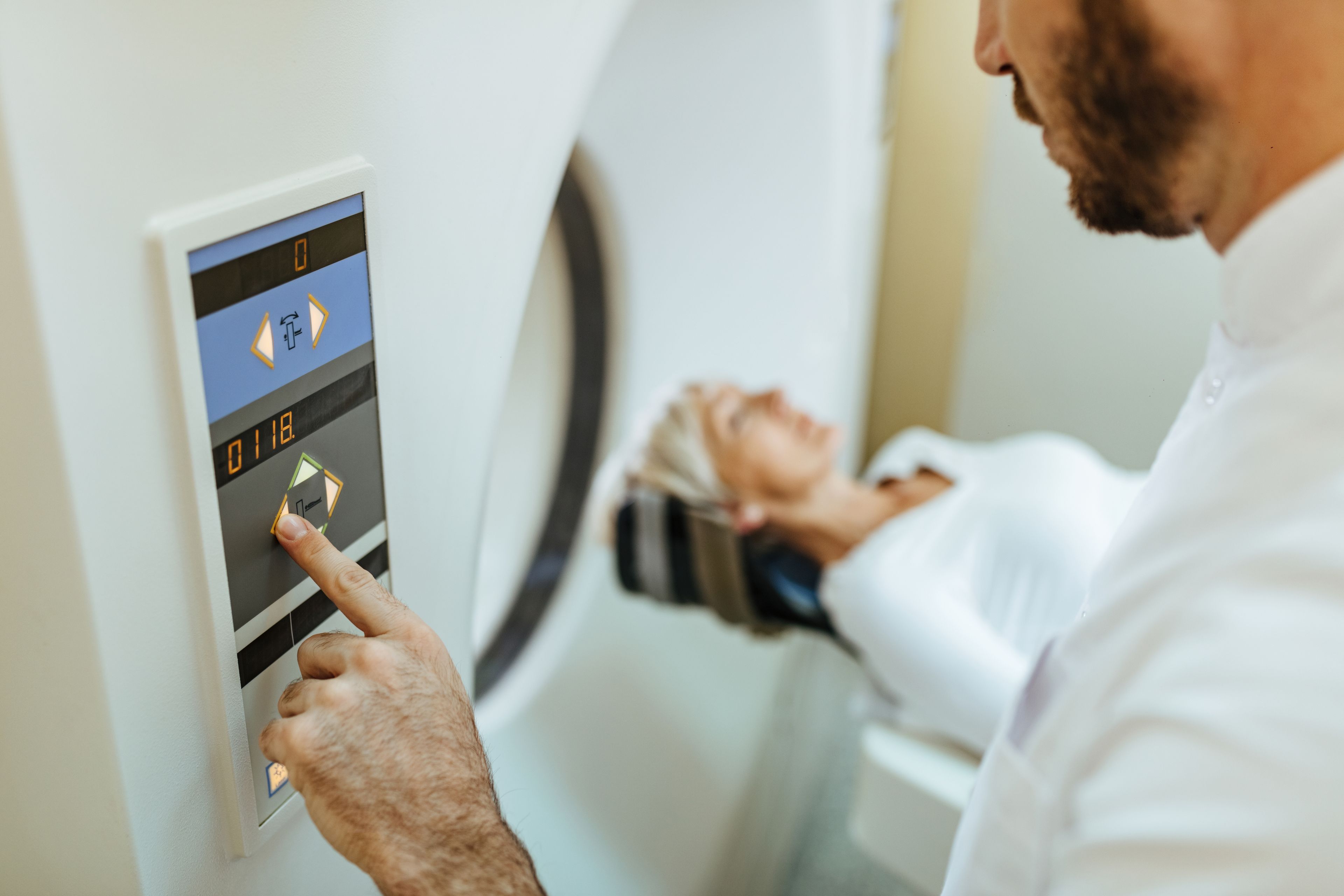
Call your care team right away if you notice a new or worsening cough, shortness of breath, fever, or any new breathing problem, even if it seems minor. Do not wait for your next appointment. Caught early, ILD can usually be treated, often by pausing Enhertu and starting steroids. Mild cases may allow treatment to restart; more serious ones mean stopping Enhertu permanently. Your team may also check your lungs with regular CT scans.
Other serious side effects
Low white blood cells (neutropenia). This raises the risk of infection. Report a fever, chills, or other signs of infection promptly. Your blood counts are checked before each dose.
Heart effects. Like other HER2-targeted medicines, Enhertu can affect how well the heart pumps. Your heart function is checked with an echocardiogram or similar scan before and during treatment. Report shortness of breath, swelling in the legs, or a racing heart.
Harm to an unborn baby. Enhertu has a second boxed warning for harm to a developing baby. Effective contraception is needed during treatment and afterward: for 7 months after the last dose for women who could become pregnant, and for 4 months for men with a partner who could become pregnant.
Managing side effects day to day
Take anti-nausea medicines exactly as prescribed, including before you feel sick, and tell your team if nausea is not controlled, as other medicines can be added. Eating small, frequent meals and drinking enough fluids can help. Keep every blood test and scan appointment. Many side effects are managed by delaying a dose or lowering it, rather than stopping treatment, so tell your team early rather than pushing through. Never change your dose on your own.
When Enhertu stops working
For many people with metastatic breast cancer, the cancer eventually finds a way around each treatment, including Enhertu. What comes next depends on your cancer type, your previous treatments, and any mutations found in your cancer; options may include other antibody drug conjugates, hormone therapies for hormone receptor positive cancer (for example, medicines for cancers with an ESR1 mutation), targeted pills, chemotherapy, or clinical trials.
This point is one of the busiest areas of breast cancer research. Many clinical trials enroll people after Enhertu, testing new antibody drug conjugates that target different proteins, new combinations, and new ways to overcome resistance. Most breast cancer trials compare a new treatment with the current standard or add it on top, so taking part does not mean going without treatment; our guide explains when placebos are and are not used. Our metastatic breast cancer clinical trials page lists studies recruiting now, and nothing is decided until you have gone through informed consent.
Three things to have ready: your cancer type and HER2 status (positive, low, or ultralow), the treatments you have had and when, and any mutation results.
Questions to ask your care team
How will my lungs be monitored, and who do I call if I develop a cough or shortness of breath? Which anti-nausea medicines should I take, and when? How often will my blood counts and heart be checked? What happens if I need to pause treatment? What are my options if Enhertu stops working, and are there clinical trials I could join?
Common questions
What are the most common side effects of Enhertu? Nausea, tiredness, vomiting, hair loss, low blood counts, constipation, diarrhea, and decreased appetite.
What is the most serious side effect of Enhertu? Interstitial lung disease (pneumonitis), inflammation of the lungs that occurred in about 12 percent of people in clinical trials. It is usually treatable when caught early, so report any new cough, shortness of breath, or fever right away.
When do Enhertu lung problems usually start? Most often a few months into treatment, with a median of about 5 months, but they can occur at any time.
Does Enhertu cause hair loss? It can. Hair loss or thinning was reported in about 4 in 10 people in some trials, and hair usually grows back after treatment ends.
How long does nausea last after Enhertu? It often lasts for several days after each infusion. Taking anti-nausea medicines as prescribed, including preventively, usually helps; tell your care team if it is not controlled.
Is Enhertu chemotherapy? It is an antibody drug conjugate: an antibody that delivers a chemotherapy drug directly to cancer cells with HER2. It is more targeted than standard chemotherapy, but it still has chemotherapy-like side effects.
Do breast cancer trial participants get paid? Some studies offer compensation for time and travel, and study related care is typically provided at no cost to participants. Compensation varies by trial and is always described during the informed consent process before you agree to anything.