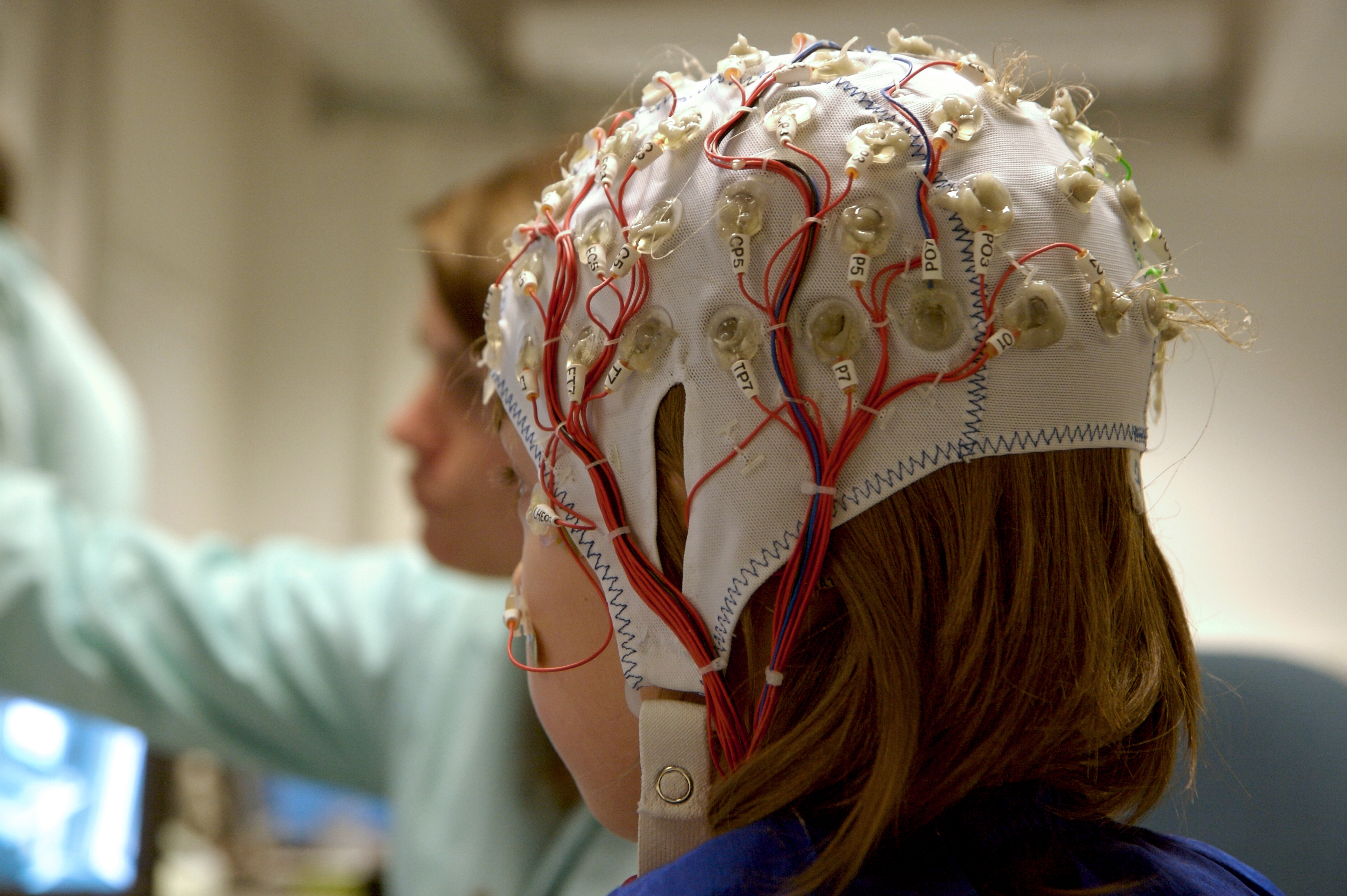

Epilepsy affects millions of people worldwide, and for many children, it can be managed with medication. But for a significant group of patients, especially those with rare or severe forms of epilepsy, seizures remain difficult to control despite multiple treatments.
These cases—often referred to as drug-resistant epilepsy—can have a profound impact on a child’s development, learning ability, and quality of life. Families are often left searching for new options when standard treatments stop working.
Recently, researchers have introduced a new experimental drug that is showing promising early results in children with severe epilepsy. While still in the research phase, this development highlights a critical point:
Clinical trials are essential for bringing new treatment options to patients who need them most.
Explore Clinical Trials for Epilepsy and Seizure Disorders
Discover recruiting clinical trials for epilepsy and pediatric seizure disorders. Find studies near you and explore potential new treatment options that may not yet be widely available.
Understanding Severe Pediatric Epilepsy
Epilepsy is a neurological disorder characterized by repeated, unprovoked seizures caused by abnormal electrical activity in the brain. In children, epilepsy can present in many forms—from mild, infrequent seizures to severe, life-altering conditions.
Some children develop treatment-resistant epilepsy, meaning that two or more anti-seizure medications have failed to control their seizures. This affects a significant portion of pediatric epilepsy patients.
Severe epilepsy may involve:
- Frequent or unpredictable seizures
- Delays in cognitive and physical development
- Behavioral or emotional challenges
- Increased risk of injury or hospitalization
Certain rare syndromes, such as Dravet syndrome and Lennox-Gastaut syndrome, are especially difficult to treat and often require ongoing medical management.
Because of this, there is a strong and urgent need for new, more effective therapies.
Why Current Treatments Are Not Always Enough
Standard epilepsy treatments include anti-seizure medications, ketogenic diets, nerve stimulation therapies, and, in some cases, brain surgery. While these approaches help many patients, they are not universally effective.
Some of the main challenges include:
- Incomplete seizure control: Many patients continue to experience seizures despite multiple medications
- Side effects: Fatigue, dizziness, mood changes, and cognitive impairment can affect daily life
- Limited options for rare conditions: Some epilepsy syndromes have very few approved treatments
For families dealing with these challenges, the search for new therapies becomes urgent—especially when seizures interfere with a child’s development and independence.
A New Experimental Drug Offering Hope
A recently developed epilepsy treatment is gaining attention for its potential to help children with severe and drug-resistant epilepsy.
While still under investigation, early research suggests that this new therapy may:
- Work through novel neurological pathways, different from traditional anti-seizure drugs
- Reduce seizure frequency in patients who have not responded to other treatments
- Provide a more targeted approach for specific epilepsy syndromes
These types of innovations are especially important in pediatric care, where treatment needs can vary significantly depending on the child’s condition and biology.
However, before any new drug becomes widely available, it must go through rigorous clinical testing.
The Role of Clinical Trials in Epilepsy Treatment
Clinical trials are the process through which new treatments are tested for safety and effectiveness. Every approved epilepsy medication has gone through this process.

Not Sure How Clinical Trials Work? Learn what to expect before joining a clinical trial—from eligibility and screening to timelines and safety. Understand each step so you can make a confident decision.
How epilepsy clinical trials work
Clinical trials typically progress through several phases:
- Phase 1: Evaluates safety and dosage
- Phase 2: Assesses effectiveness and side effects
- Phase 3: Confirms results in larger patient groups
In pediatric epilepsy trials, additional safeguards are in place to ensure the safety and well-being of children.
What participation involves
Families considering a clinical trial may go through:
- Medical screening and eligibility assessment
- Regular monitoring visits
- Seizure tracking and reporting
- Communication with research teams
Some trials may include placebo groups, while others compare new treatments with existing therapies.
Potential benefits of participating
For some patients, clinical trials offer:
- Access to new treatments before they are widely available
- Close medical monitoring and specialist care
- The opportunity to contribute to future medical advancements
While participation is always voluntary, many families see clinical trials as a way to explore options when standard treatments are not enough.
Barriers to Accessing Clinical Trials
Despite their importance, many patients never hear about relevant clinical trials.
Common barriers include:
- Location limitations: Trials are often conducted at specialized research centers
- Strict eligibility criteria: Not all patients qualify
- Time and travel requirements: Frequent visits may be required
- Lack of awareness: Many families are not informed about available studies
As a result, potentially helpful treatments may remain out of reach for many patients.
How to Find Clinical Trials for Epilepsy
Access to information is one of the biggest challenges—and opportunities—in clinical research.
Today, patients and caregivers can take a more active role by:
- Searching for trials by condition (epilepsy, seizures, pediatric epilepsy)
- Filtering by location, age, and eligibility criteria
- Reviewing study details before contacting research teams
This approach helps families better understand their options and make informed decisions.
Search for recruiting epilepsy clinical trials by condition and location. Review eligibility criteria, explore new treatment options, and connect with study teams—all in one place.
Browse Epilepsy Clinical TrialsThe Future of Epilepsy Treatment
The field of epilepsy research is rapidly evolving. Advances in genetics, neuroscience, and drug development are leading to more personalized and targeted treatments.
Future directions include:
- Precision medicine: Treatments tailored to a patient’s genetic profile
- Gene-targeted therapies: Addressing underlying causes of rare epilepsies
- Improved drug design: More effective treatments with fewer side effects
- Decentralized trials: Reducing travel burden through remote participation
These innovations are largely driven by clinical trials, which continue to shape the future of epilepsy care.
Summary
Severe pediatric epilepsy remains a complex and challenging condition, especially for families who have exhausted standard treatment options.
New experimental therapies are offering hope—but they rely on clinical trials to move forward.
By understanding how clinical trials work and where to find them, patients and caregivers can:
- Explore additional treatment options
- Access emerging therapies earlier
- Take a more informed and proactive role in care
FAQs
What is drug-resistant epilepsy?
Drug-resistant epilepsy occurs when seizures are not controlled after trying at least two appropriate anti-seizure medications.
Are clinical trials safe for children?
Yes. Pediatric clinical trials follow strict safety regulations and are closely monitored by healthcare professionals and regulatory authorities.
Can clinical trials cure epilepsy?
Most trials aim to reduce seizure frequency or improve symptoms. Some experimental therapies may target underlying causes, but results vary.
How long does it take to join a clinical trial?
The process can vary. It may include screening, eligibility review, and scheduling before enrollment.
Do I need a doctor’s referral to join a trial?
Not always. Many trials allow patients or caregivers to contact study teams directly after reviewing eligibility criteria.