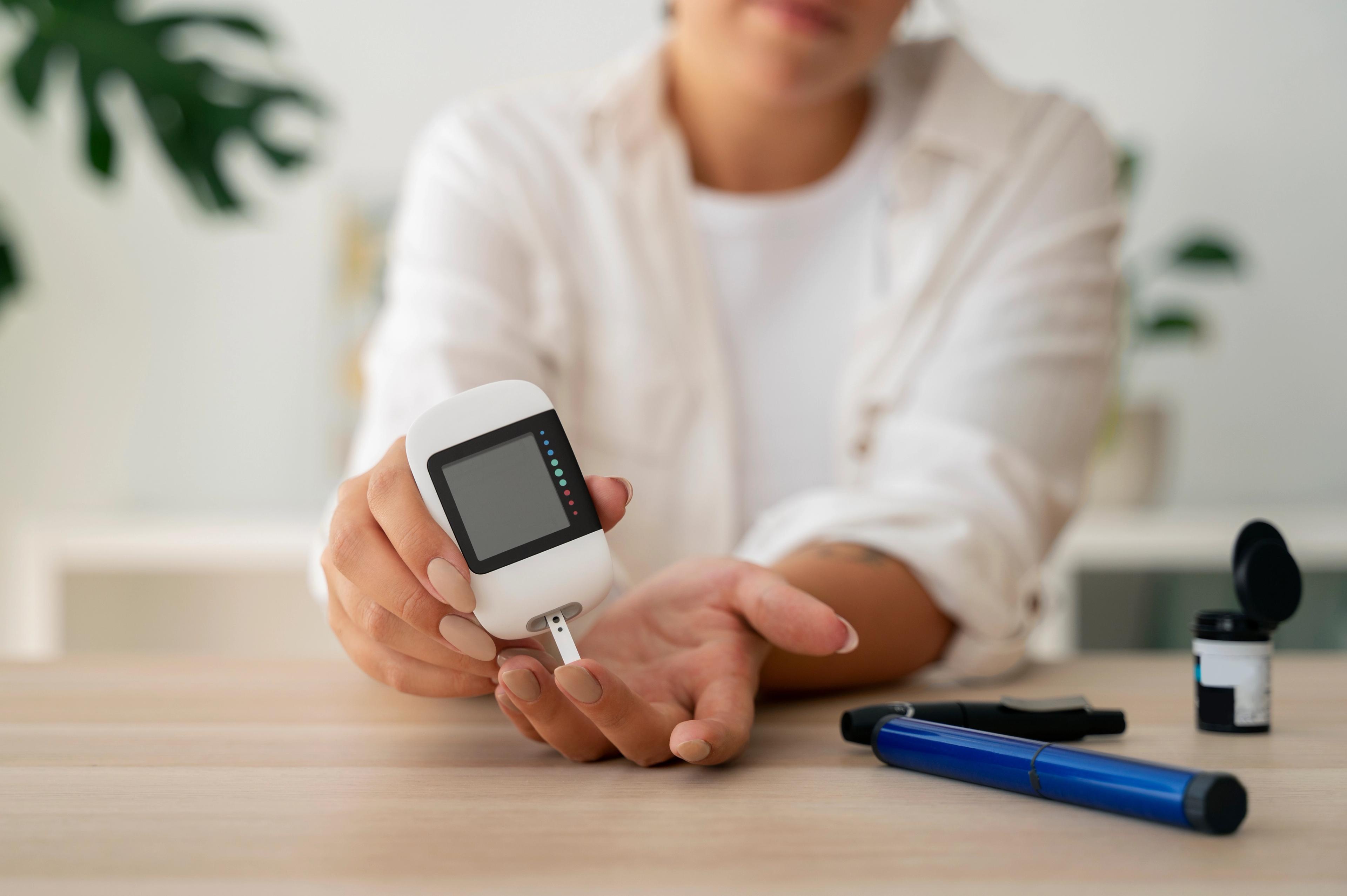

If you have type 2 diabetes, your problem is probably not a lack of treatment options. It is the opposite. There are more medicines approved for type 2 diabetes than for almost any other chronic disease, new ones make headlines every few months, and on top of that everyone keeps asking the same question: can this be reversed? It is a lot to sort through. This guide walks through what is approved today, what researchers are testing right now, why new diabetes drugs take so long to arrive, and what "reversing" diabetes actually means.
One number to set the stage: diabetes accounted for about 1 in 4 US health care dollars in 2022, roughly 413 billion. So this is not a neglected field. It is one of the busiest in all of medicine.
Looking for treatment options for Type 2 Diabetes?
Browse open Type 2 Diabetes clinical trials near you! We'll handle the follow-up.
What is approved today
Doctors currently choose from more than a dozen drug classes for type 2 diabetes. Here are the main ones, described by what they do, not how they work under the hood.
Metformin is usually the first pill doctors prescribe, and it has been the standard starting point for decades because it lowers blood sugar reliably for most people. GLP-1 receptor agonists copy a gut hormone that tells the body to release insulin and tells the brain you are full, this is the class behind the famous names like semaglutide (sold as Ozempic as an injection and Rybelsus as a pill), dulaglutide, liraglutide, and exenatide, and most people lose weight on them along with lowering blood sugar. Tirzepatide (Mounjaro), approved in 2022, goes one step further and works on two gut hormones at once.
SGLT2 inhibitors like empagliflozin, dapagliflozin, and bexagliflozin help the kidneys pass extra sugar out of the body through urine, while DPP-4 inhibitors protect the body's own gut hormones so they keep working longer. Sulfonylureas and meglitinides push the pancreas to release more insulin, and they are older, cheap, and still widely used. Thiazolidinediones help the body respond to its own insulin better, and insulin itself, in many forms, remains part of care for people whose pancreas can no longer make enough. There is also a long tail of smaller classes, alpha-glucosidase inhibitors, the amylin analog pramlintide, colesevelam, and bromocriptine, that you will meet less often, but they exist and they are approved.
None of this is a recommendation. Which medicine fits you depends on your blood sugar, your heart and kidney health, and that conversation belongs to you and your doctor.
What researchers are studying now
Two late stage programs stand out in 2026.
Orforglipron (Eli Lilly) is the first oral small molecule GLP-1 to complete phase 3 trials in type 2 diabetes, meaning a daily pill rather than an injection. In Lilly's ACHIEVE program it showed better blood sugar control than comparators, and the full phase 3 results were published in the New England Journal of Medicine. In one trial published in The Lancet, it beat oral semaglutide head to head on both blood sugar and weight. Regulatory submissions are underway, so an approval decision is the next milestone to watch.
CagriSema (Novo Nordisk) combines semaglutide with a second hormone based drug called cagrilintide in one injection. In the REIMAGINE 2 phase 3 trial in type 2 diabetes, it cut the standard long term blood sugar measure by 1.91 points, and participants lost 14.2 percent of their body weight. The broader REIMAGINE program was presented at the ADA conference in June 2026.
Is there a new pill for type 2 diabetes?
This is the question people ask most, and right now the answer is orforglipron (not approved yet). Pills for type 2 diabetes aren't new, metformin is a pill, and so are the DPP-4 inhibitors. Semaglutide already comes as a pill too, sold as Rybelsus. What makes orforglipron different is that it's the first small molecule GLP-1 to finish its final round of testing for type 2 diabetes, instead of being a shot turned into a tablet, and in a head to head study it worked better than the semaglutide pill for both blood sugar and weight. It isn't approved yet, so no one can prescribe it today, and this isn't a reason to wait for it. But if you've seen headlines about a new diabetes pill, this is what they're about.
Orforglipron isn't the only new drug being tested. Roche is running a study of a drug called enicepatide in 1,600 people who have both obesity and type 2 diabetes, and it's recruiting now.
And the research goes well beyond drugs. As of August 2026, more than 800 type 2 diabetes studies are recruiting worldwide, run by companies like Bayer, Roche, and Medtronic, and by universities like Stanford and Yale. Many of these aren't drug studies at all, they test diets, sleep habits, glucose monitors, and better ways to catch the disease early. One University of Pennsylvania study is testing whether better quality groceries improve outcomes, with 216 people taking part.
This mix is also why the requirements to join a study vary so much. A drug trial in its final testing stage is strict about your diagnosis, your current medicines, and your lab results. A study about nutrition or sleep might accept people with prediabetes, or even people without diabetes at all, to compare results.
What "reversing" type 2 diabetes actually means
Search "reverse type 2 diabetes" and you will find everything from serious research to outright nonsense. So here is the vocabulary the medical field itself settled on.
In 2021 an international panel convened by the American Diabetes Association, together with the European diabetes association, Diabetes UK, and the Endocrine Society, published a consensus report on exactly this question. Their conclusion: the right word is remission, not reversal, not resolution, and not cure. Remission has a specific definition, blood sugar (HbA1c) below 6.5 percent measured at least three months after stopping glucose-lowering medication. The panel chose remission deliberately, because the improvement may not be permanent, blood sugar can rise again, and monitoring is still recommended afterward.
How often does it happen? The clearest evidence comes from DiRECT, a UK trial that ran an intensive weight management program through ordinary primary care practices. At 12 months, 46 percent of the intervention group were in remission, published in The Lancet in 2018. At 24 months it was 36 percent, published in Lancet Diabetes & Endocrinology in 2019. A later extension followed participants further out and found that some were still in remission at five years, and also that keeping the weight off is the hard part.
Read those numbers carefully. Almost half at one year is a striking result. The drop to about a third at two years is the other half of the story, and it is the reason the panel refused the word cure. None of this tells you what is possible in your own case.
Why new diabetes treatments take so long
With this much activity, why does a new drug still take a decade to reach the pharmacy? A few reasons specific to this field.
The crowded field problem. In a disease with few treatments, a new drug only has to beat placebo. In type 2 diabetes it has to beat very good existing drugs. That is why trials like orforglipron versus oral semaglutide run head to head against an active medicine. It is a higher bar, and it takes bigger, longer studies to clear it.
The heart safety problem. In 2008 the FDA began requiring evidence that new diabetes drugs do not raise cardiovascular risk, a rule that stood until the agency replaced it in 2020. It created a generation of enormous outcome trials following thousands of patients for years. It slowed things down, but it also changed what a diabetes drug is expected to do: heart and kidney outcomes became a way for drugs to prove their worth, not just blood sugar numbers.
The measurement problem. Almost every registration trial in this field rises or falls on one number, HbA1c. That is a strength, it is objective and it does not depend on how a participant feels that day. But it also means a drug that helps in ways HbA1c does not capture has a harder time proving it, and it is part of why the heart and kidney outcome trials became such a big deal. They gave the field a second way to show a drug is worth having.
The representation problem. Black and Hispanic patients carry a heavy share of the type 2 diabetes burden, but they have been markedly underrepresented in the field's major cardiovascular outcome trials. Reviews in Lancet Diabetes & Endocrinology and Diabetologia have documented the gap. Closing it matters, because a drug tested mostly in one population may behave differently in another. Many studies now state that they welcome participants from these communities.

Check our article about The Importance of Inclusion & Diversity in Clinical Trials!
Type 2 diabetes affects more than blood sugar
The reason doctors treat this disease so seriously is not the sugar itself. It is what long term high sugar does to the rest of the body. Cardiovascular disease is the leading cause of death in people with type 2 diabetes. Diabetes is the leading cause of kidney failure in the US. Nerves and eyes are also common targets: neuropathy and retinopathy sit on the standard list of diabetes complications. High blood pressure and unhealthy cholesterol levels very often come along with the disease too, and obesity is part of the same cluster. So type 2 diabetes is rarely just one problem to manage.
That overlap shows up in recruitment too: a University of Toronto study is enrolling 300 people to test how swapping ultra-processed soy protein foods for less processed ones affects high blood pressure in type 2 diabetes.
The life expectancy research is sobering but worth knowing. A 2023 study in Lancet Diabetes & Endocrinology, covering 23 million person years of data, found that every decade of earlier diagnosis is linked to about 3 to 4 fewer years of life on average. Diagnosis at age 30 was associated with up to 14 years lost, and diagnosis at age 50 with about 6 years. These are population averages, not predictions for any one person, and they reflect years when treatment was less advanced than it is now. What they really show is why early diagnosis and good long term care matter. If these numbers worry you, take them to your doctor, not to a search engine.
Common myths
"Type 2 diabetes only happens to adults."
Not true. Most people are still diagnosed after 45, but it can develop at any age, and children, teens, and young adults are being diagnosed more and more often.
"Type 2 is the mild diabetes."
There is no mild diabetes. Both types are serious conditions that can lead to serious complications, and no reputable source ranks one as worse than the other. They are simply different diseases.
"If you need insulin, you have type 1 now."
No. Beta cells in the pancreas make less insulin over the years, so many people with type 2 eventually add insulin. The diagnosis does not change, and needing insulin is not a personal failure.
"Type 2 can turn into type 1."
It cannot. People sometimes picture type 1 as a later stage of type 2, but the two have different causes. There is one situation that looks like a switch: rarely, an adult diagnosed with type 2 actually has a slow developing autoimmune form called LADA, which has features of both types, and doctors correct the diagnosis later. That is a corrected diagnosis, not a disease changing type.
How type 2 differs from type 1
Since this comes up constantly, here is the short version. Type 1 is autoimmune: the immune system attacks and destroys the cells in the pancreas that make insulin, so the body cannot produce insulin at all, and people with type 1 need insulin from diagnosis onward. Type 2 is not autoimmune. The body still makes insulin but cannot use it properly, and over time the pancreas makes less of it. Type 2 accounts for the large majority of diagnosed diabetes in adults. The reason this distinction matters for research is that the two diseases are studied by largely separate fields with separate trials, so a type 2 study is not a place to look if you have type 1, and the other way around.
How type 2 diabetes typically progresses, and what care looks like
Type 2 diabetes has no formal staging system like some diseases do. But it does follow a typical path, and the usual care changes along it. This is a description of common practice, not medical advice.
Prediabetes. Blood sugar is above normal but below the diabetes line. More than 1 in 3 US adults are here, most without knowing it, which fits the pattern of a disease that develops gradually and goes unnoticed for years. Typical care at this point is lifestyle focused: food, activity, weight, and repeat blood tests to see which direction things are moving. Many prevention and nutrition studies recruit at exactly this stage, including people who do not have diabetes yet.
Early type 2 diabetes. After diagnosis, care usually starts with lifestyle changes plus a first medicine, most often metformin, which has been the standard starting point for decades. Some trials specifically look for people at this stage, before other drugs enter the picture, because it is easier to read what a new treatment does when it is not stacked on top of three others. One 200-person study is looking at early type 2 diabetes and the blood sugar spikes that follow meals. If you are on metformin alone or managing with diet and your blood sugar is not where you want it, several studies enroll people at exactly this stage.
Longer standing type 2 diabetes. Beta cells in the pancreas make less insulin over the years, so the body cannot keep up, and medicines get added or combined. Some people move to insulin. This is also where the heart and kidney side of the disease moves to the center of attention, since cardiovascular disease is the leading cause of death in type 2 diabetes and diabetes is the leading cause of kidney failure in the US. Trials at this stage often test new drug combinations, or focus on heart and kidney outcomes rather than blood sugar alone.
How to find a type 2 diabetes study
AllClinicalTrials.com lists recruiting type 2 diabetes studies across the US, from a large group of studies for adults with type 2 diabetes who manage it with metformin or diet and are looking for new options for blood sugar and weight, to big pharma drug trials like a Novo Nordisk Phase 3 study in people with heart risk, to university nutrition studies like the University of Hawaii's cooking demonstration program.
You can filter by city and state, read what each study involves, and apply online. The application takes about 5 minutes, and the study team contacts you to check eligibility. Joining is always voluntary, and you can leave a study at any time.
Common questions
What is type 2 diabetes, in simple terms? Type 2 diabetes means insulin stops doing its job in your body, so sugar stays in your bloodstream rather than moving into the cells that need it. The pancreas works harder to compensate and eventually cannot keep up. The whole process is slow, often taking years, which is why many people feel nothing at all early on.
What is HbA1c? HbA1c (often just "A1C") is the blood test used in almost every diabetes trial. It tracks long term blood sugar rather than a single moment, which is why regulators treat it as the standard measure of whether a diabetes drug works. It is also the number in the remission definition above.
Can type 2 diabetes be cured? Doctors do not use the word cure for type 2 diabetes. The term the field agreed on is remission, meaning blood sugar back in the normal range without diabetes medicines for at least three months. Blood sugar can rise again, so monitoring continues either way. What is realistic in your case is a question for your doctor.
Is type 2 diabetes genetic? Genes play a strong role. Type 2 diabetes has a stronger link to family history than type 1, and one research review puts the lifetime risk at about 4 in 10 if one parent has it and close to 7 in 10 if both parents do. Lifestyle still strongly influences whether that risk becomes disease.
Is type 2 diabetes an autoimmune disease? No. Type 2 diabetes is not an autoimmune condition. The immune system is not what causes it: the body becomes unable to use insulin properly, and the pancreas gradually cannot make enough. Type 1 diabetes is the autoimmune one, and that is a different disease.
Can type 2 diabetes turn into type 1? No. People sometimes think of type 1 as a later stage of type 2, but that is not the case, they have different causes. Needing insulin later does not change the diagnosis either. It happens because beta cells in the pancreas make less insulin over the years, so some people with type 2 add insulin to their care. There is one thing that looks like a switch but is not. Rarely, an adult diagnosed with type 2 actually has a slow developing autoimmune form called LADA, and doctors correct the diagnosis. That is a re-diagnosis, not the disease changing type.
Does type 2 diabetes require insulin? Not always. Type 2 diabetes is treated with more than a dozen approved drug classes, and insulin is one of them, not the only one. Beta cells in the pancreas tend to make less insulin as the years pass, so some people do add it later. That decision belongs to you and your doctor.
Does type 2 diabetes affect long term health? It can. Cardiovascular disease is the leading cause of death in people with type 2 diabetes. Diabetes is also the leading cause of kidney failure in the US. Nerves and eyes are common targets too, and high blood pressure and cholesterol problems often come along with it. Research has also linked an earlier age at diagnosis to shorter life expectancy at the population level. These are group level findings, not personal predictions, so talk through your own risks with your doctor.
See type 2 diabetes clinical trials recruiting now.
Browse recruiting studies near you on our type 2 diabetes clinical trials page.