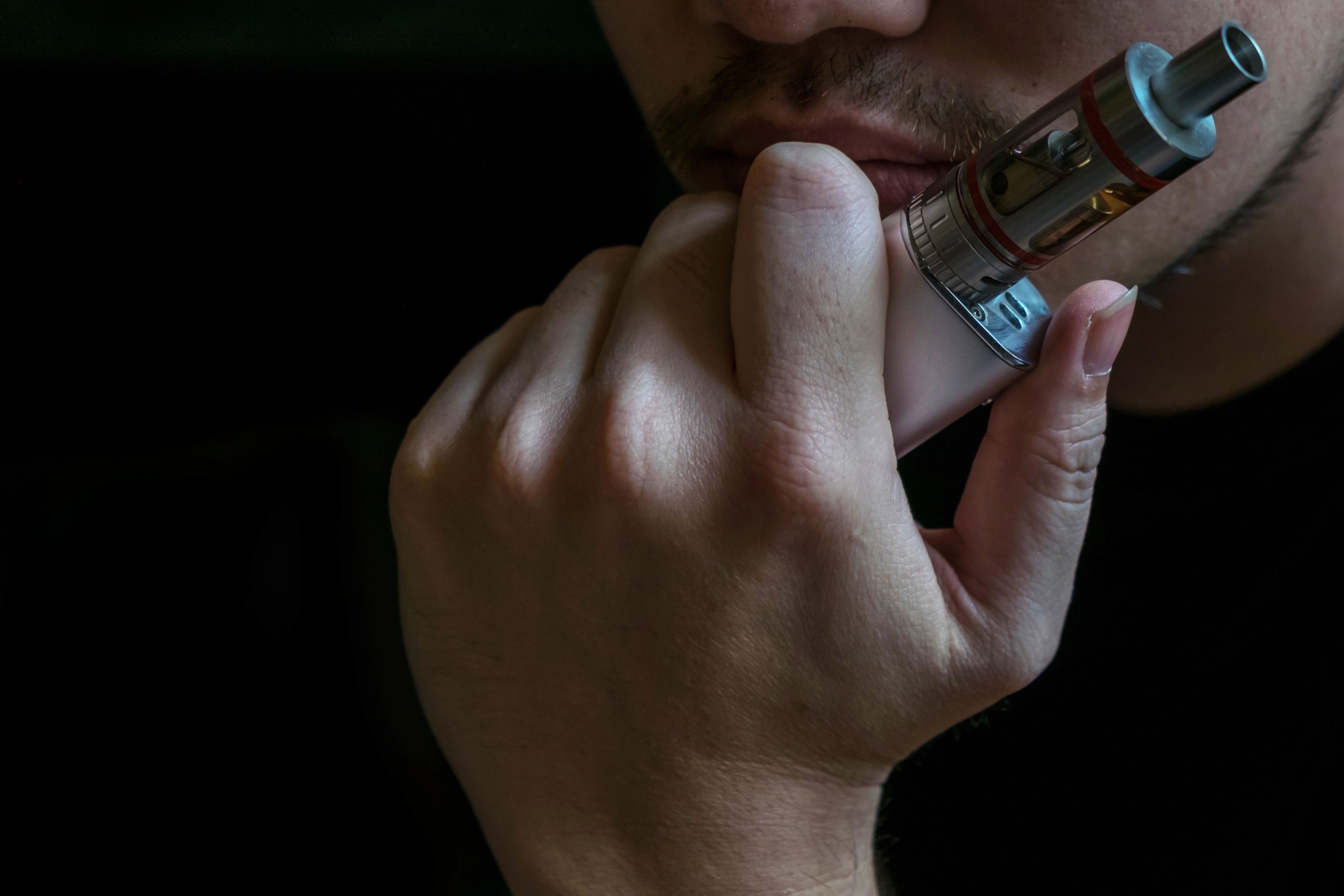

If you have tried to quit vaping and made it to day two before reaching for the device again, you have hit the exact moment researchers have measured for decades. Nicotine withdrawal follows a timeline that is more predictable than most people expect, and knowing it changes how the first month feels. Here is what the studies show, day by day, and what the trials still trying to make it easier have found.
Why quitting a vape can feel harder than quitting cigarettes
A disposable vape is not a lighter version of a cigarette. Most sold in the US contain nicotine at about 5 percent strength, and a single device can hold as much nicotine as a pack or more of cigarettes, delivered in a form that is easy to use continuously, indoors, and without a smell. Among teens who vape, about one in four now uses daily, and daily use rose from about 22 percent of youth e-cigarette users in 2020 to just over 26 percent in 2024. More frequent use means a more dependent brain, and a more dependent brain means stronger withdrawal. The other difference is habit density: a smoker might light up 15 times a day, while a person who vapes may take hundreds of small puffs, so there are far more moments in a day tied to the behavior.
Withdrawal itself is the same chemistry either way. Nicotine reaches the brain in seconds, triggers dopamine, and with repeated use the brain grows extra nicotine receptors to cope. Remove the nicotine, and those receptors sit empty. The symptoms that follow are not a sign that something is wrong; they are the brain recalibrating. Most people who vape want to stop: in national surveys, about two thirds of young people who vape say they want to quit and have tried. Most attempts fail in the first two weeks, which is precisely the window this article is about.
The nicotine withdrawal timeline, day by day
The classic research on this, led by John Hughes in the 1990s and confirmed many times since, found that withdrawal symptoms begin within 2 to 12 hours of the last dose, peak on days 2 to 3, and mostly resolve within 2 to 4 weeks. Vaping specific studies find the same pattern. Here is what that looks like.
Hours 4 to 24. Craving starts first, often within a few hours, along with restlessness and irritability. By the end of the first day most people notice trouble concentrating and a short fuse. The nicotine itself is largely gone from the blood within a day, which is why the symptoms are ramping up rather than winding down.
Days 2 to 3: the peak. This is when most quit attempts end. Cravings are at their strongest and most frequent, irritability and anxiety peak, headaches and trouble sleeping are common, and many people feel unusually hungry. Some describe a foggy, flat, or sad feeling. All of it is expected, and all of it is temporary. Getting through day 3 is the single most predictive step in the whole month.
Days 4 to 7. Physical symptoms start to ease. Headaches fade, sleep begins to normalize, appetite stays up. Cravings are still there but each one is shorter, typically a few minutes, and they come less often. Mood can still be low, and this is the week many people notice how many small moments of the day were tied to reaching for the device.
Weeks 2 to 3. A turning point. Physical withdrawal is largely over for most people. What remains is psychological: cravings triggered by stress, boredom, alcohol, driving, or seeing someone else vape. Some studies find a second bump in irritability or low mood around days 7 to 14, especially in people who vaped heavily, before it settles.
Week 4 and beyond. Most people feel substantially normal. Cravings can still appear for months, usually brief and triggered by a specific cue, and they become rarer over time. The brain's nicotine receptor count returns toward normal over several weeks to months. Concentration and sleep are typically better than before quitting.
Two things shape how intense this is for a given person: how much and how often they vaped, and whether they use any support. Both are the subject of the trials below.
How to quit vaping cold turkey, and whether that is the best way
Cold turkey means stopping completely on a chosen day with no medicine and no taper. It is how most people try, and it works for some. The honest evidence is this: for cigarettes, a large Cochrane review in 2019 found no clear difference in success between quitting abruptly and cutting down gradually first. For vaping, nobody has run that head to head comparison yet. A trial called CONQUER, recruiting now, is testing exactly that question by asking whether people who reduce their e-cigarette use before a quit date do better than those who stop at once.
What cold turkey does reliably is front load the peak: days 2 and 3 hit at full strength. If you choose it, the research based advice is practical rather than heroic. Pick a quit date and remove every device and pod beforehand. Expect day 3 and plan something for it. Know that a craving lasts a few minutes and passes whether or not you act on it. Change the routines the vape was attached to, especially the first hour of the morning and the moments after meals. And tell someone, because studies consistently find that support of almost any kind raises success rates.
What cold turkey does not do is address the nicotine itself. That is where the two most important quit vaping trials come in.
What the two biggest quit vaping trials found
Until recently, everything known about quitting nicotine came from cigarette studies. That changed with two randomized trials, meaning studies where participants were assigned by chance to a treatment or a comparison group, so that the difference between groups can be trusted.
Text messages, tested in 2,588 young adults. In 2021 the Truth Initiative published a trial in JAMA Internal Medicine of its text based program, This is Quitting, in adults aged 18 to 24 who vaped. People randomly assigned to the program had nearly 40 percent higher odds of being vape free at seven months than those who only received check in messages. It was the first evidence that a vaping specific quit program works, and it worked equally across gender, race, and levels of dependence.
A prescription medicine, tested in 16 to 25 year olds. In 2025 a Mass General Brigham team published in JAMA a trial of varenicline, the medicine approved for quitting cigarettes, in 261 people aged 16 to 25 who vaped. Two of the three groups also got weekly counseling: one took varenicline plus counseling, one took a placebo pill plus counseling, and the third received only the text program, with no counseling at all. Quitting was verified with saliva tests for a nicotine byproduct, not just self report. In the last four weeks of the 12 week treatment, about half of those on varenicline had stopped vaping, compared with about one in seven on placebo and about one in twenty with texts alone. Varenicline is still not approved for vaping cessation, and no medicine is, at any age. But this trial is the reason many clinicians now prescribe it for vaping anyway, and the reason larger trials are underway.
Where the research is going next
The gap is obvious: millions of people trying to quit a product for which no treatment has been formally approved. Trials are filling it from several directions. Studies of reduction before quitting, like CONQUER, test whether tapering the device or the nicotine strength makes the peak days easier. Trials of nicotine replacement in people who vape ask whether patches and lozenges, proven for cigarettes, work for a product that delivers nicotine differently. Studies of people who both smoke and vape, called dual users, test how to quit both without one replacing the other. And health effects studies follow people who vape over time to learn what stopping actually does for the lungs, a question no one can yet answer with confidence.
The people who join these studies are mostly people in the situation this article describes: they vape, they want to stop, and they have usually tried before. Many studies run largely by phone or app, ship any study medicine to you, and verify quitting with a simple saliva or breath test rather than clinic visits.
Two studies recruiting now
The CONQUER trial is testing a commercial nicotine-tapering device, VapeAway, in a single group of participants, and comparing their quit rate against a historical average rather than against a separate group that quits abruptly. The Avenues Study is for people who both smoke cigarettes and vape and want to stop both, one of the hardest and least studied situations in nicotine research. Both are listed with their eligibility criteria and locations on our vaping clinical trials page. Joining a study never means stopping other support you are using, and you can leave at any time.
Common questions
How long does vaping withdrawal last? Physical symptoms usually peak on days 2 to 3 and mostly fade within 2 to 4 weeks. Cravings triggered by habits and stress can continue for months but become shorter and rarer. Heavier, more frequent use generally means a longer and more intense first month.
What are the symptoms of vaping withdrawal? Craving, irritability, anxiety, restlessness, trouble concentrating, low mood, headaches, trouble sleeping, and increased appetite. Some people also notice a cough or sore throat in the first week as the airways recover. None of these are medically dangerous, and all are temporary.
Is quitting vaping cold turkey bad for you? No. Nicotine withdrawal is uncomfortable but not dangerous, unlike withdrawal from alcohol or some sedatives. Cold turkey simply concentrates the hardest days at the start. For cigarettes, abrupt and gradual quitting work about equally well; for vaping, a trial testing that question is recruiting now.
Does nicotine replacement work for vaping? It is widely used and recommended by clinicians, but the formal evidence in people who vape is still thin, because patches and gum were tested in smokers. Trials of nicotine replacement specifically for vaping are among those recruiting now, and the varenicline trial in young adults is so far the strongest medication evidence.
What helps most with the cravings? Knowing they pass in a few minutes, moving your body, drinking water, changing the routine the vape was tied to, and support, whether a text program, a friend, or a counselor. In trials, support of almost any structured kind raises quit rates, and combining support with a medicine raises them most.
See Vaping clinical trials recruiting now
Browse open studies, filter by location, and apply in about 5 minutes: Vaping Clinical Trials