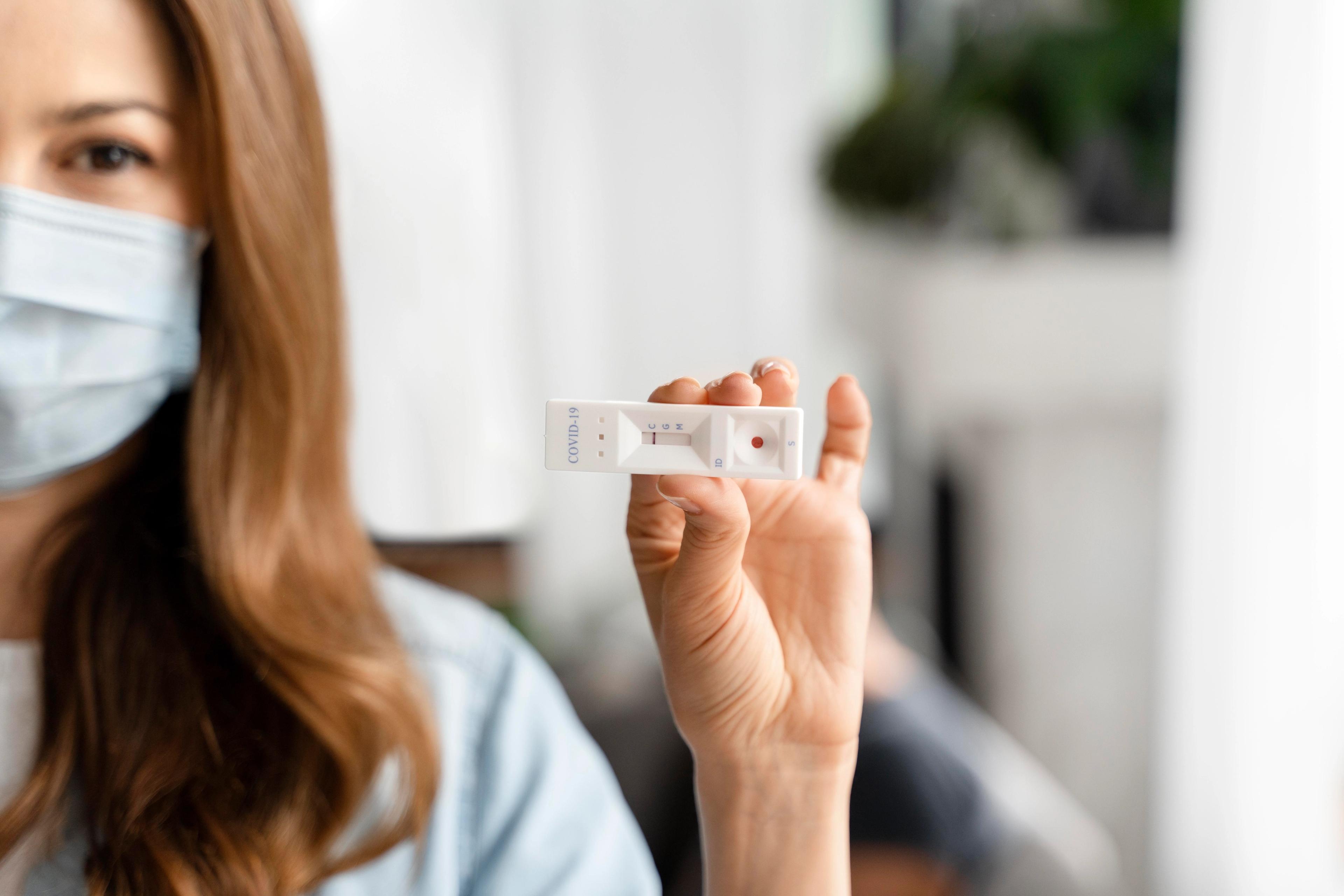

The first five days of a COVID-19 infection decide more than any others. They are the window in which antiviral medicines work, the days when you are most contagious, and the period when people at higher risk need to pay closest attention to how they are breathing. Most people recover at home with rest, but "most" is not "everyone," and the difference usually comes down to one question: are you at higher risk, and did you act early? This guide walks through what to do from the day you test positive, including the warning signs that mean you should not wait, and a research opportunity that is open only in these same five days.
Tested positive in the last 5 days, have symptoms, and a risk factor?
A vaccine study is enrolling people 12+
Day one: confirm the result and work out your risk
A positive antigen test is reliable; a negative one in the first day or two of symptoms is not, because the amount of virus is still rising.If you have symptoms and a negative test, test again 48 hours later; FDA advises at least two tests. If you are at higher risk, do not wait for a positive result to contact your doctor: CDC says treatment does not require a positive test and should be started as soon as possible.
Then check whether you are at higher risk of severe illness, because that changes everything that follows. CDC's list includes being older, especially 65 and over; obesity (a BMI of 30 or more); current or former smoking; high blood pressure; diabetes; asthma and COPD; heart, kidney, and liver disease; pregnancy; and a weakened immune system from a condition or medicine. Many American adults have at least one of these.
Why the first five days matter: antiviral treatment
Antiviral medicines reduce the chance that COVID-19 turns into something that needs a hospital, but only if they are started early. The most widely used, nirmatrelvir with ritonavir (Paxlovid), is approved for adults at high risk and authorized for people 12 and older who weigh at least 40 kilograms (88 pounds), and it must be started within 5 days of when symptoms began, not from when you tested positive.CDC advises starting any COVID-19 treatment as soon as possible: Paxlovid and molnupiravir within 5 days of symptoms, remdesivir within 7. It is taken at home for five days, it interacts with many common medicines, including some statins,it is not recommended for people with severe liver disease, and the dose is adjusted for people with reduced kidney function, including those on dialysis, so the prescriber will go through your medicines and health conditions.
Caring for yourself at home
For most people the illness runs its course in a week or two with rest, fluids, and over the counter medicines for fever and aches, used as the label directs. Keep your usual medicines going unless your doctor says otherwise; people with asthma or COPD should keep using their inhalers as prescribed, since COVID-19 can set off a flare. Sleep as much as you can, eat when you can, and if you have a pulse oximeter, check your oxygen level a few times a day and note the trend. Write down the day your symptoms started: you will be asked for it by your doctor, and by any study you consider.
When to go to the hospital for COVID
Call emergency services or go to an emergency department if you have trouble breathing, persistent pain or pressure in the chest, new confusion, difficulty staying awake, or pale, gray, or blue lips, skin, or nail beds. These are signs that the lungs or circulation are not keeping up, and they are not something to sleep on. If you are at higher risk and simply feel you are getting worse rather than better after the first few days, call your doctor; the window for antivirals may still be open, and they can decide whether you need to be seen.
How long to stay home, and how long you are contagious
CDC's respiratory virus guidance is symptom based: stay home and away from others until, for at least 24 hours, your symptoms are improving overall and you have had no fever without using fever reducing medicine. After that, take added precautions for the next 5 days, such as masking, distance, cleaner air, and good hand hygiene, because you may still be able to spread the virus. You are usually most contagious in the first days, and an antigen test can help gauge it: a positive result means you are more likely to spread it. If symptoms or fever come back, start the stay home period again. People with weakened immune systems can stay contagious longer.
Research that can only happen in the first five days
Because the first days of infection are so different from the rest, some questions can only be studied in people who are sick right now. One study is enrolling people 12 and older who tested positive within the past 5 days, currently have symptoms, and have at least one risk factor for severe illness, the same list as above, or who are 75 and older. It measures how the immune system responds to a COVID-19 vaccine given during an active infection, which is not done in routine care, where vaccination waits until recovery. Our guides explain how eligibility criteria work and what informed consent involves.
Common questions
Do I need to see a doctor if I have COVID? Not everyone does, but anyone with a risk factor for severe illness should contact a doctor on the first day, because antiviral treatment has to start within 5 days of symptoms. Anyone with warning signs such as trouble breathing needs emergency care.
What if my test is negative but I have symptoms? Test again 48 hours later; early negatives are common. If you are at higher risk, contact your doctor anyway, since treatment does not require a positive test to begin.
How long is COVID contagious? Most people are most contagious in the first days of illness. Under CDC guidance you can return to normal activities once symptoms are improving and you have been fever free for 24 hours, then take precautions for 5 more days, because you may still spread the virus during that time.
Does having asthma make COVID worse? Asthma is on CDC's list of conditions that raise the risk of severe COVID-19, and infection can trigger a flare. Keep using your controller inhaler as prescribed and contact your doctor early about antiviral treatment.
What is COVID rebound? A return of symptoms or a positive test a few days after improving, which can happen with or without antiviral treatment. CDC advises staying home and away from others again until you have improved and been fever free for 24 hours.
What if symptoms last for weeks? Symptoms that persist for months after the infection are called long COVID, which is studied separately. See our long COVID clinical trials page.
See COVID-19 clinical trials recruiting now
Browse open studies, filter by location, and apply in about 5 minutes: COVID-19 Clinical Trials.