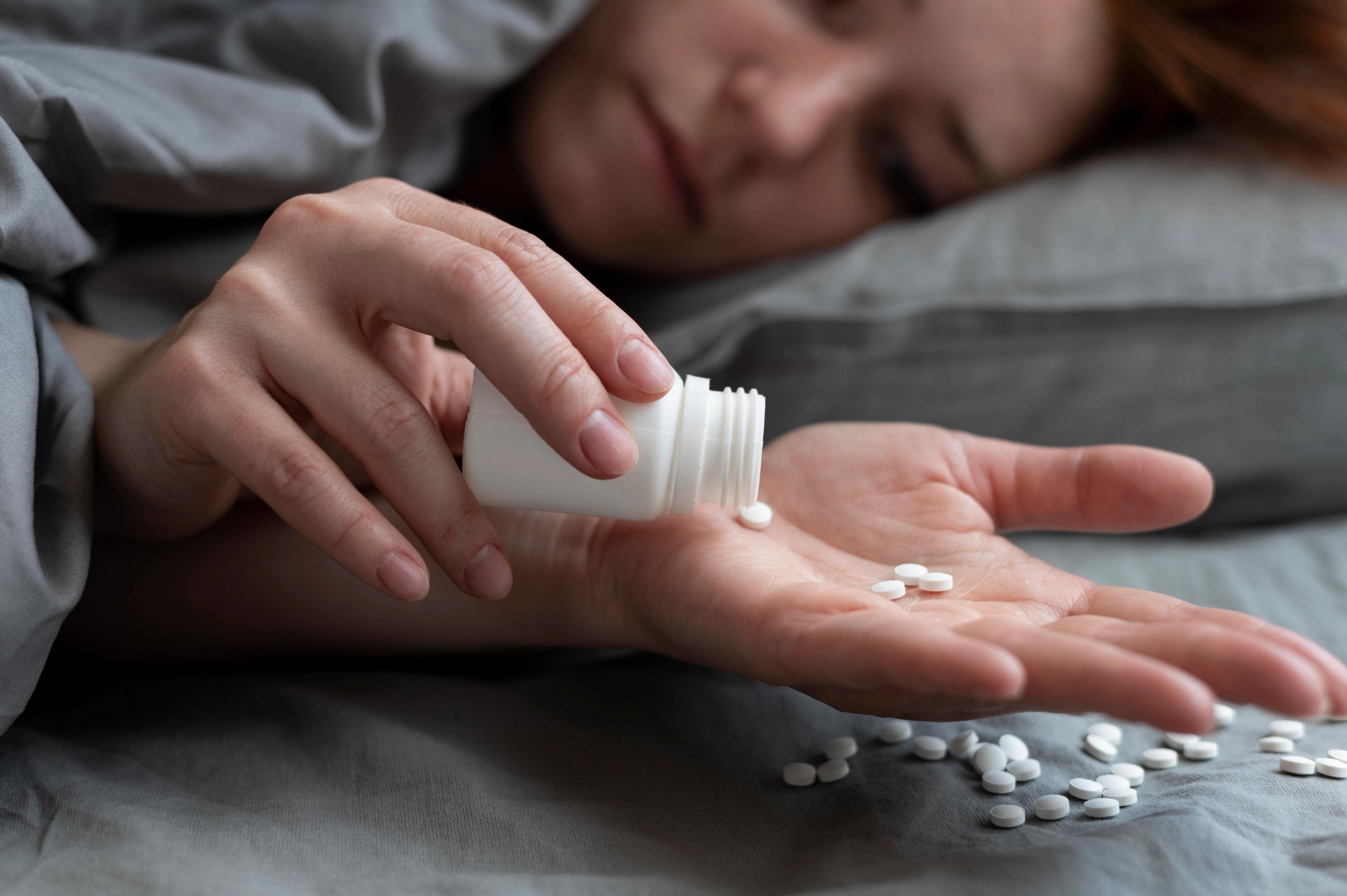

Opioid use disorder (OUD) is actually one of the better-understood parts of addiction medicine. There are real medications that work, backed by decades of research. But because of stigma, trouble getting access to care, and today's opioid supply, a lot of people never get the chance to use them. Researchers are working on fixing that access problem, and on building even better tools. Here's what's approved right now, and what's being studied.
Looking for treatment options for opioid use disorder?
Browse open opioid use disease clinical trials near you! We'll handle the follow-up.
Opioid use disorder treatment options available right now
Three medications are FDA-approved for OUD. Together, they're often called MOUD (medications for opioid use disorder):
Methadone has been used since the 1970s. It's taken every day, usually at a certified clinic. It works on the same part of the brain that opioids do, but in a steady way, it stops withdrawal and cravings without giving someone a high.
Buprenorphine was approved in 2002. It only partly activates that same part of the brain, just enough to ease withdrawal, but with a much lower risk of misuse.
Naltrexone was approved for OUD in 2010 and works completely differently: it blocks that part of the brain so opioids can't do anything at all. To use it, someone has to already be fully off opioids first.
All three are considered effective, evidence-based options, staying on one long-term is normal, expected care, not a sign that something isn't working.
Recent news on buprenorphine for OUD treatment
There's now a version of buprenorphine you only need once a month, as a shot instead of a daily dose, good news if taking a pill every day is hard to keep up with. In a 2025 study, people using it went from more than 43 opioid uses a week down to fewer than 3, in just three weeks. That improvement lasted the whole 38 weeks of the study, even for people who used fentanyl often, which is normally the hardest group to help.
It's also gotten easier to start buprenorphine in the first place. Since January 2025, a rule from the Drug Enforcement Administration and Department of Health and Human Services lets doctors permanently prescribe it through telehealth, even just a phone call, no video needed, without an in-person visit first. Before, this was only allowed temporarily, as a rule that kept getting extended during the pandemic. Now it's permanent. In practice, that means someone can start treatment with a single phone call, without ever going into a clinic.
A Yale study is now looking at this same access question from another angle, comparing office-based buprenorphine against methadone to see which one actually keeps people in treatment longer, and you have an opportunity to join it today!
What researchers are studying now
A lot of today's research is focused on fentanyl, since it now makes up most of the illegal opioid supply and is much more dangerous than older opioids. People are probably exposed to it more than we realize, a 2025 national survey found that many people don't even know they've taken fentanyl, because it often gets mixed into fake pills or heroin without anyone knowing.
Several research teams took fentanyl vaccine research a big step further in 2025, starting the first trials in actual people. The idea is simple: train the body to stop fentanyl before it ever reaches the brain, so it can't get someone high or cause an overdose. In earlier animal studies, the vaccine held up well, vaccinated animals barely felt fentanyl's effects at all.
Researchers are also working on other things at the same time. One is antibodies that could reverse a fentanyl overdose right in the body. Another is longer-lasting medication, so people need fewer doses. And some are testing whether medication works even better when it's paired with extra support, like a recovery app or regular counseling.
Progress, and the part that's still missing
There is also good news regarding OUD statistics. 2025 was the third year in a row that overdose deaths in the US went down, dropping about 14% from 2024, with opioid-related deaths falling from an estimated 55,300 to about 44,600. The decline wasn't the same everywhere, some states dropped by 25% or more, while a few others saw increases, but the overall direction is a real shift from the peak of the crisis.
At the same time, most people who need help still aren't getting it. A 2025 national survey found only about 1 in 6 people who needed substance use treatment that year actually received it. If you're looking into a study or a treatment option right now, you're already ahead of where most people are.
How to find an OUD study
Right now, there's a Phase 2 study testing brenipatide, an investigational medication for OUD, and a separate study looking at non-invasive brain stimulation for people managing both OUD and chronic pain together, both recruiting across several states. You can search opioid use disorder studies on our platform, filter by location, and see whether you meet the basic criteria before applying. The process usually takes a few minutes, and a coordinator follows up afterward to walk you through next steps.
Common questions
What is Opioid Use disorder? Opioid use disorder is a chronic medical condition in which repeated opioid use changes the brain's chemistry, making it hard to stop without support. It can develop from prescription pain medications or illicit opioids, and it's shaped by a mix of genetics and other health factors.
Is my information kept private if I join an OUD clinical trial? Yes. Clinical trials are bound by strict confidentiality rules, and your participation stays between you and the research team. It isn't shared with employers or made part of any public record.
What if I've already tried medication and it hasn't worked for me? Many current studies are specifically looking for people whose current medication isn't fully working, since that's exactly the group newer approaches and formulations are trying to help.
Do I need to already be off opioids to join a study? It depends on the study. Some require a period of detox first (especially naltrexone-based studies), while others are designed for people currently using methadone or buprenorphine. Each study lists its own criteria.
Does OUD affect more than substance use? Yes. OUD is linked to a higher risk of HIV and hepatitis C, a significantly higher overdose death risk without treatment, and commonly occurs alongside depression, anxiety, or PTSD.
How long does it take to recover from opioid addiction? There's no set timeline, and that's normal. The first days to weeks are usually about stabilizing on medication and getting past withdrawal, but recovery itself isn't something with a fixed end date. NIDA describes OUD as a chronic, treatable condition, and staying on medication for the long term (sometimes for years) tends to lead to better outcomes than stopping early. Recovery looks different for everyone, and needing ongoing support isn't a sign that something has failed.
See OUD clinical trials recruiting near you: Opioid Use Disorder Clinical Trials