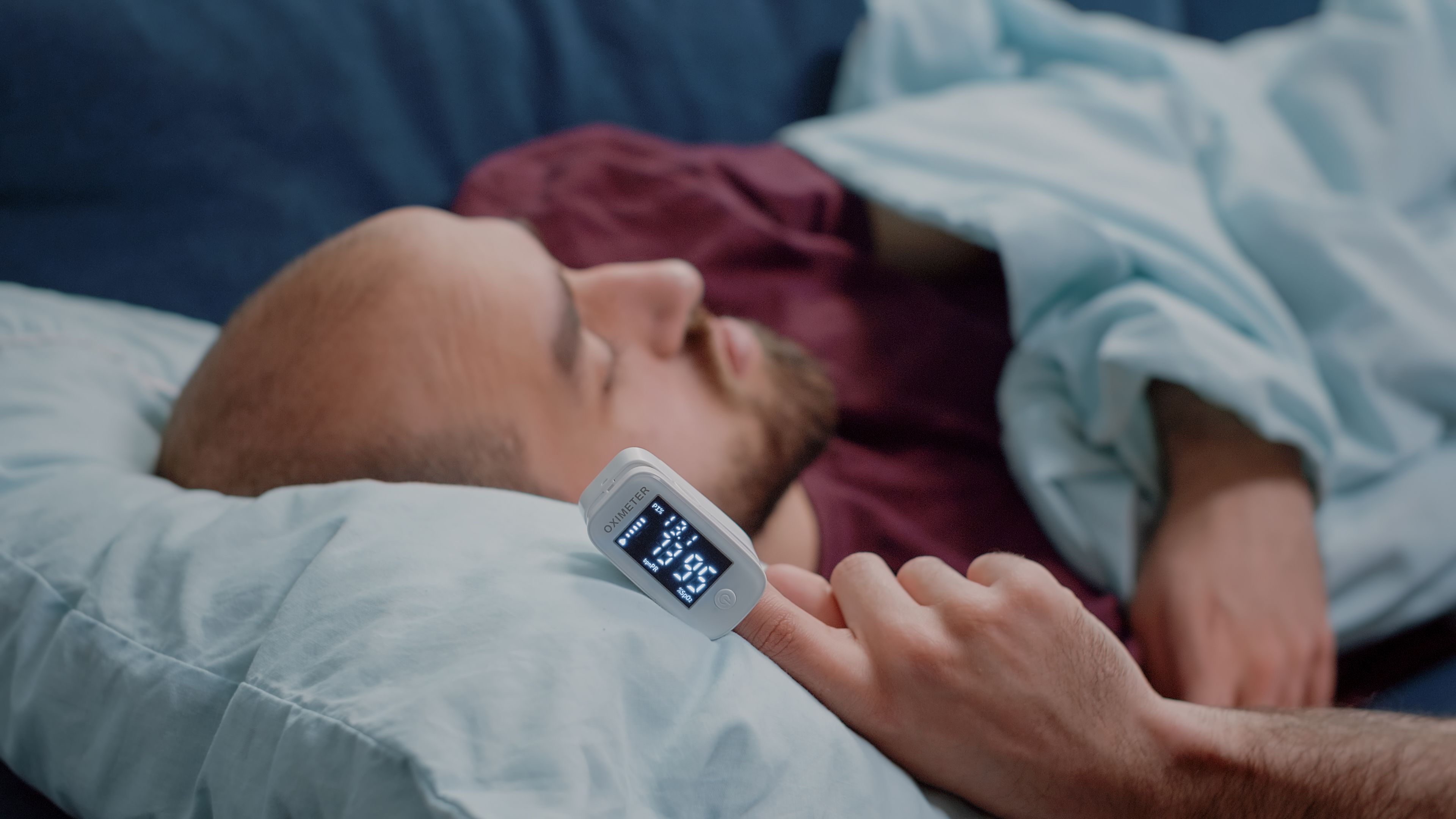

Most blood test worries are about hemoglobin being too low. So when your complete blood count comes back with hemoglobin flagged high, it can be hard to know what it means. Usually the cause is common and easy to find. This guide explains what high hemoglobin means, the normal ranges, the most common causes, how secondary polycythemia differs from polycythemia vera, which symptoms matter, and what tests and treatments come next.
Living with sleep apnea?
Sleep apnea is one of the most common causes, and studies are testing new treatments. See which ones are recruiting near you.
What high hemoglobin means
Hemoglobin is the protein inside red blood cells that carries oxygen from your lungs to the rest of your body. A high hemoglobin usually means you have more red blood cells than usual, or that the liquid part of your blood has shrunk so the cells are more concentrated.
The most common reason the body makes extra red cells is that it is not getting enough oxygen over a long time. The kidneys sense low oxygen and release more erythropoietin (EPO), a hormone that tells the bone marrow to make red cells. That is a sensible response, but too many red cells make the blood thicker.
Normal hemoglobin range and what counts as high
Normal ranges vary slightly between labs. MedlinePlus gives these ranges for adults:
- Men: 13.8 to 17.2 g/dL
- Women: 12.1 to 15.1 g/dL
Mayo Clinic describes high hemoglobin as above 16.6 g/dL for men and above 15 g/dL for women. Children have their own ranges that change with age. Time of day, how hydrated you are, and the altitude where you live can all shift the number, so always compare your result with the range on your report.
High hemoglobin and hematocrit
Hematocrit is the percentage of your blood made up of red cells, and it usually rises and falls with hemoglobin. When both are high, it confirms the red cells are increased or the blood is concentrated. Doctors often watch hematocrit closely, because it reflects how thick the blood is.
What causes high hemoglobin
According to Mayo Clinic, the two most common causes are smoking and living at high altitude. Others include:
- Smoking. Carbon monoxide from smoke reduces how much oxygen the blood can carry, so the body compensates with more red cells. Hemoglobin often comes down after quitting.
- High altitude. Hemoglobin rises over several weeks after moving higher, where the air holds less oxygen.
- Dehydration. Losing fluid, for example from severe diarrhea or vomiting, concentrates the blood. Hemoglobin returns to normal once you are rehydrated.
- Obstructive sleep apnea. Repeated drops in oxygen during sleep can push hemoglobin up, often in people who snore loudly and wake up tired.
- Lung disease, such as COPD, emphysema, or pulmonary fibrosis.
- Heart conditions, including congenital heart disease and heart failure affecting the right side of the heart.
- Testosterone therapy. Raising red cells is a known effect, which is why doctors check hematocrit before starting and during treatment.
- SGLT2 inhibitors such as Jardiance and Farxiga. Research published in Circulation found that empagliflozin raises EPO early in treatment, followed by a rise in hemoglobin and hematocrit. This is an expected effect, not a reason to stop the medicine.
- Less often, tumors that make EPO, such as some kidney and liver cancers.
- A bone marrow condition called polycythemia vera, described below.
Secondary polycythemia vs polycythemia vera
Doctors call a raised red cell count polycythemia or erythrocytosis. They split it into two main types.
Secondary polycythemia is by far the more common. Something outside the bone marrow, such as low oxygen, smoking, sleep apnea, or testosterone, is driving the marrow to make more red cells. EPO levels are usually normal or high, and the count improves when the cause is treated.
Polycythemia vera (PV) is a rare, slow-growing blood cancer in which the bone marrow makes too many red cells on its own, without being told to. Almost all people with PV, about 98%, have a change in a gene called JAK2, and most have a low EPO level. PV is usually diagnosed around age 64, though up to a quarter of people are diagnosed before 50. Because the blood is thick, the main risk is blood clots, including in the brain, heart, and legs.
Symptoms of high hemoglobin
A mildly high hemoglobin often causes no symptoms. When the blood becomes thicker, people may notice headache, dizziness, tiredness, blurred vision, or a red face. In polycythemia vera, common complaints include fatigue, trouble sleeping and concentrating, and itching after a warm bath or shower, sometimes with burning or redness in the hands and feet.
The symptoms are the same for women and men; women simply cross the "high" line at a lower number. Get medical help right away for trouble seeing, slurred speech, sudden weakness, chest pain, or a painful, swollen leg, because these can be signs of a blood clot.
Tests your doctor may order next
The first step is often a repeat blood count, making sure you are well hydrated. If hemoglobin stays high, your doctor will usually ask about smoking, sleep, medicines, and testosterone use, and may order:
- An EPO level, which helps separate secondary polycythemia from PV.
- A JAK2 gene test from a blood sample.
- An oxygen level check, sometimes with a sleep study if sleep apnea is suspected.
- Kidney and liver tests or imaging if a tumor making EPO needs to be ruled out.
Your other blood count results matter too. High white cells or platelets alongside high hemoglobin make PV more likely, while a high RDW points the doctor toward iron and red cell production.
How to lower high hemoglobin
Treatment depends on the cause. For secondary polycythemia, it means treating what is driving it: quitting smoking, treating sleep apnea, managing lung or heart disease, or adjusting a testosterone dose. Drinking enough fluids helps only when dehydration is the cause. Do not donate blood or change medicines to lower your hemoglobin without talking to your doctor first.
For polycythemia vera, the standard approach is regular blood removal, called phlebotomy, to keep hematocrit below 45%, plus low-dose aspirin for most people to lower clot risk. Some people also need medicine that slows red cell production, such as hydroxyurea, interferon, or ruxolitinib.
Where polycythemia vera research stands
In August 2026 the FDA approved Mimrylo (rusfertide), a once-weekly injection that controls red cell production by limiting the iron the marrow can use. It is the first medicine of its kind for PV. In the phase 3 VERIFY trial of 293 people, 76.9% of those taking it responded, meaning they did not need phlebotomy during weeks 20 to 32 of treatment.
Studies are recruiting across the US for polycythemia vera and obstructive sleep apnea, and you can browse sleep apnea studies near you on AllClinicalTrials.com. Many test a new medicine added to your current treatment, and some compare it with a placebo. Nothing is decided until you have gone through informed consent, and participation is voluntary at every step.
Common questions
What level of hemoglobin is too high? Mayo Clinic describes high hemoglobin as above 16.6 g/dL for men and above 15 g/dL for women, though labs differ. In diagnosing polycythemia vera, doctors look at levels above 16.5 g/dL in men and 16.0 g/dL in women together with other tests.
Can dehydration cause high hemoglobin? Yes. Losing fluid concentrates the blood, so hemoglobin reads higher than it really is. A repeat test after drinking normally usually shows a lower number.
What are the symptoms of high hemoglobin in females? They are the same as in men: often none, or headache, dizziness, tiredness, blurred vision, or a flushed face. Women cross the high threshold at a lower level, above about 15 g/dL.
Is high hemoglobin a sign of cancer? Rarely. Most cases come from smoking, altitude, dehydration, sleep apnea, lung or heart disease, or medicines. Polycythemia vera and EPO-making tumors are uncommon causes that your doctor can check for.
Can high hemoglobin go back to normal? Usually, once the cause is treated. It falls after quitting smoking, rehydrating, moving to lower altitude, or treating sleep apnea. In polycythemia vera, treatment keeps it in a safe range over the long term.
Do clinical trial participants get paid? Some studies offer compensation for time and travel, and study related care is typically provided at no cost to participants. Compensation varies by trial and is always described during the informed consent process before you agree to anything.